
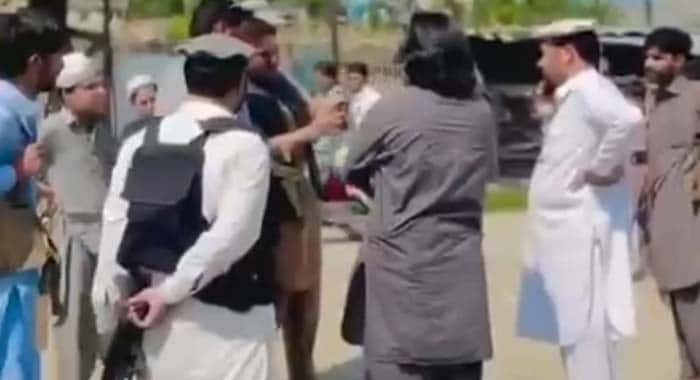
Upper Dir has witnessed a powerful public response to a series of terrorist attacks targeting police, with residents taking to the streets and rallying behind law-enforcement personnel instead of allowing fear to spread.
As reports emerged of attacks on police positions in Nehag Dara and at the Dobando check post, announcements were made from local mosques, prompting people to leave their homes and move towards the affected areas. The residents’ response turned into a visible show of solidarity with the police, sending a clear message that the local population stands united against attempts to destabilize the district through terrorism.
The attacks themselves included firing on police personnel deployed in the area. In another incident, a police APC came under fire while travelling towards one of the affected locations. The personnel inside the armored vehicle remained safe and sound despite the attack.
The security situation was further aggravated when a district-level leader of one of the three major political parties currently part of the federal coalition government also came under attack. The political leader, too, remained safe and sound.
Yet, it was the reaction of the people that emerged as one of the most significant aspects of the latest developments in Upper Dir.
The rapid public mobilization following the attacks demonstrated that terrorists have failed to isolate security forces from the communities they protect. Instead of retreating indoors and allowing intimidation to dictate their response, residents came forward in support of the police.
That reaction carries particular significance in an area where terrorist groups seek to exploit fear, uncertainty and geographical challenges. Attacks on police check posts and personnel are intended not only to cause casualties or damage, but also to weaken public confidence in the state’s ability to maintain security.
The people of Upper Dir have now offered a direct answer to that strategy.
Their response showed that the police are not standing alone when confronted by terrorism. The mosque announcements, the movement of residents towards the affected areas and the visible expression of solidarity collectively underlined a wider public rejection of violence and intimidation.
The incidents nevertheless highlight the need for heightened vigilance across Upper Dir. Continued attacks on police positions, firing on responding personnel and the targeting of political figures indicate an attempt to create a climate of insecurity beyond individual attacks.
For the terrorists, however, the public reaction may prove to be the more consequential development.
They sought to spread fear through attacks on Nehag Dara, Dobando and police personnel on the move. The people responded by coming out in support of those confronting the threat.
The message from Upper Dir was unmistakable: terrorism may attempt to frighten the community, but it will not easily turn the community against its police.



