
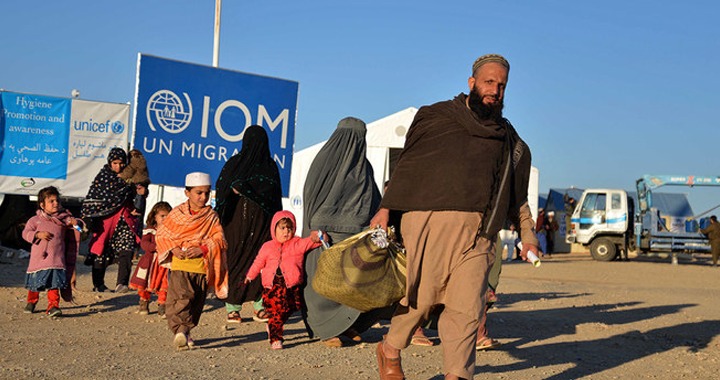
The United Nations refugee agency has warned that Afghanistan is facing mounting humanitarian and protection challenges after at least 2.8 million Afghan migrants were returned in 2025, most of them forcibly deported from neighboring Iran and Pakistan.
In its annual report released on Friday, the UN High Commissioner for Refugees (UNHCR) revealed that around 1.8 million Afghans were expelled from Iran, while approximately 930,000 were deported from Pakistan over the course of the year. Alarmingly, 67 percent of these returns were forced, underscoring the scale and intensity of the deportation drive.
According to the report, deportations from Iran and Pakistan rose by 62 percent compared with the previous year, marking one of the largest mass return movements of Afghan refugees in recent history.
The highest number of returns was recorded in July, when deportations from Iran reached their peak. During that single month, about 373,000 Afghans were expelled, overwhelming border crossings and humanitarian reception facilities inside Afghanistan.
UNHCR noted that many returnees arrived with little or no resources, often after years or even decades of living abroad. The refugee agency expressed serious concern over the protection risks facing returnees, particularly women and girls, given Afghanistan’s current human rights situation under Taliban rule.
“Many of those returning are entering an environment where access to education, employment, healthcare, and basic freedoms especially for women and girls remains severely restricted,” the report warned.
UNHCR emphasized that forced returns under such conditions could expose vulnerable populations to discrimination, poverty, and abuse, while limiting their access to humanitarian assistance.
While Iran and Pakistan accounted for the vast majority of returns, UNHCR said deportations were not limited to those two countries. At least 1,700 Afghan migrants were also expelled from Tajikistan in 2025, despite ongoing protection concerns.
The agency reiterated that all returns should be safe, voluntary, and dignified, in line with international refugee and human rights standards.
UNHCR cautioned that the large-scale forced return of millions of people is placing immense pressure on Afghanistan’s already fragile humanitarian system. The country continues to grapple with economic collapse, widespread unemployment, food insecurity, and limited access to basic services.
“Afghanistan is simply not equipped to absorb such high numbers of returnees,” the agency warned, adding that without sustained international support, the situation could deteriorate further.
The report concludes with a renewed appeal to the international community to increase humanitarian funding, support host countries to maintain protection space, and ensure that Afghan refugees are not returned to conditions that place their lives and rights at risk.
As deportations accelerate and humanitarian needs deepen, UNHCR stressed that the fate of millions of Afghans now hangs in the balance, making coordinated global action more urgent than ever.



