
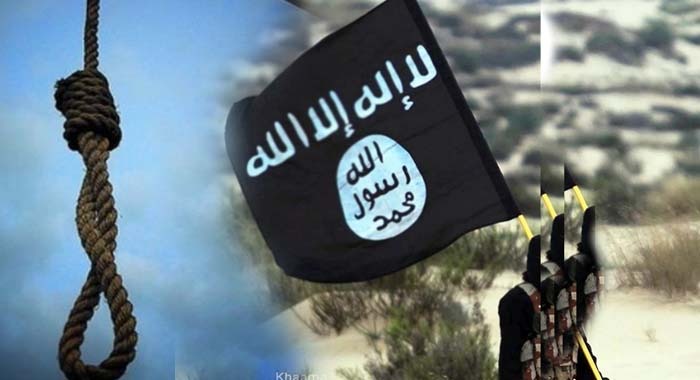
Iran’s judiciary has carried out the execution of two individuals convicted of membership in the Islamic State (ISIS) and involvement in a 2023 vehicle bombing that targeted religious pilgrims, resulting in one fatality and multiple injuries, according to Iranian state media.
The judiciary-affiliated Mizan News Agency reported on Saturday that the two individuals were confirmed ISIS operatives and were found responsible for the attack, which authorities described as an act of terrorism aimed at destabilizing public security and targeting civilians.
The 2023 incident involved a vehicle-borne explosive device detonated near pilgrims, killing one person and wounding several others. Iranian officials stated that the case was processed through the country’s judicial system and concluded with capital punishment under existing counterterrorism laws.
The executions come amid a broader pattern of heightened security measures in Iran. In 2025, Iranian authorities also executed multiple individuals accused of espionage on behalf of Israel, reflecting Tehran’s ongoing concerns over foreign intelligence operations and internal security threats.
However, the continued use of capital punishment particularly in terrorism and espionage-related cases has drawn sustained criticism from international human rights organizations. The Human Rights Activists News Agency (HRANA) reported that more than 1,900 executions were carried out in Iran in 2025 alone, raising alarm over the scale and frequency of death sentences.
Human rights observers have long expressed concern over Iran’s judicial processes, citing limited transparency and alleged violations of fair trial standards. Trials involving terrorism-related charges are often conducted in Revolutionary Courts, which, according to critics, provide restricted access to legal counsel and lack sufficient procedural safeguards.
“These executions underscore Iran’s continued reliance on the death penalty as a central tool in addressing terrorism and national security cases,” analysts note, adding that such practices remain under intense international scrutiny.
The latest developments are likely to further intensify debate over Iran’s judicial system, its counterterrorism policies, and its compliance with international human rights norms, as global organizations and foreign governments continue to monitor the country’s legal and security practices closely.



