
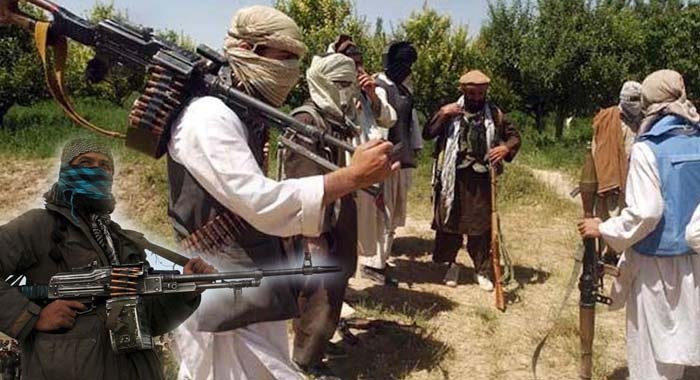
Growing tensions within Ittehad-ul-Mujahideen Pakistan (IMP), the umbrella network of Pakistani terror groups including Jamaat-ul-Ahrar, Lashkar-e-Islam and TTP elements, have come to the surface, exposing serious cracks in trust and leadership across the alliance.
Recent social media exchanges between members of different IMP factions show harsh criticism, accusations, and ridicule, revealing a level of internal discord that had long been suppressed but is now publicly visible. Analysts say the discord highlights the challenges TTP faces in enforcing allegiance from other groups within IMP.
Leadership Struggles and Disputes Over Allegiance
Posts shared online indicate that TTP continues to press other IMP groups to pledge loyalty to its self-declared leadership. Members of IMP, however, argue that the issue lies with internal unfairness and power consolidation within the alliance. Reports suggest that trust deficits run deep among the member groups, with some leaders openly challenging directives from the central coordinating structure.
Historical disputes over allegiance underscore the problem. Senior figures in the alliance note that refusals to formally accept leadership in the past have created lasting tensions, leaving IMP’s central authority more nominal than functional.
Money, Influence, and Control at the Core
Experts say the conflict stems from competition over extortion proceeds, territorial influence, and authority over operational decisions in various regions. Multiple hardline observers have criticised these groups for actions that violate Islamic principles, including targeting civilians, attacking religious sites, and extorting locals—behaviours that have also eroded their legitimacy and credibility within militant circles.
Cadres Challenge Each Other Amid Deepening Distrust
Screenshots of online disputes show members accusing one another of impropriety, deception, prioritising personal or factional interests over collective goals, and succumbing to external influences such as Al Qaeda affiliates. Analysts note that these clashes reflect a loss of organisational cohesion and collective purpose, with individuals and subgroups now competing for dominance.
Pakistan’s Security Opportunity
The public discord within IMP underscores a growing lack of unity, declining manpower, shrinking resources, and mounting mistrust among factions. Security officials say this presents a rare opportunity for Pakistan to exploit internal divisions, increase pressure on multiple terrorist groups simultaneously, and weaken their operational capabilities while the alliance is internally fractured.



