
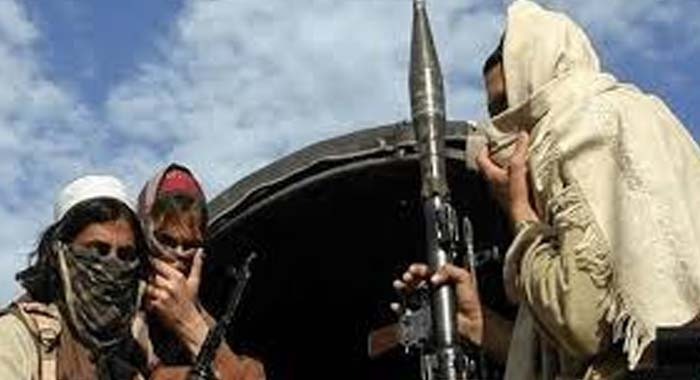
In the rugged terrains of Tirah, Pakistan’s Law Enforcement Agencies including the police, intelligence services, and the Pakistan Army have been conducting sustained, intelligence-driven operations to dismantle terrorist networks and safeguard local communities. Last year alone, more than seventy-five thousand intelligence-based operations (IBOs) were carried out across the country, averaging over two hundred targeted missions per day, demonstrating Pakistan’s unwavering commitment to national security and the protection of its citizens.
These operations have delivered remarkable results. In the past twelve months, a record 2,597 terrorists were neutralized, the highest ever in a single calendar year, reflecting the effectiveness of modern tactics, advanced technology, and meticulous planning by the country’s security forces. IBOs are particularly valuable because they reduce civilian harm and displacement while denying terrorists and their facilitators the opportunity to manipulate public perception or exploit local populations for propaganda.
Tirah, a region long infiltrated by Kharijite elements supported by narcotics and terrorist networks, posed a unique challenge. These extremists had embedded themselves among civilians, storing explosives in residential areas, operating quadcopters, and using locals as human shields. Recognizing the danger to innocent residents, local elders convened a jirga in September, in coordination with the Pakistan Army and the Khyber Pakhtunkhwa government, to seek a peaceful and strategic solution to the threat.
During the jirga, the community considered multiple approaches. Engagement with the terrorists proved futile, as the extremists refused to vacate the area, showing blatant disregard for local cultural values and Pakhtunwali norms. After careful deliberation, the jirga and the government agreed upon voluntary relocation, synchronized with the traditional seasonal migration of the population. The government fully compensated the community, ensuring that civilians were not forced from their homes while enabling security forces to conduct focused operations against terrorists without risking civilian lives.
Contrary to recent claims of a “major operation,” no additional military units were inducted into Tirah, and standard winter conditions with heavy snowfall make large-scale conventional operations impossible. Reports suggesting forced displacement or large military campaigns are inaccurate, as all security measures, checkpoints, and population movements have been coordinated through civil administration, not as part of any exaggerated narrative.
These misleading claims, often propagated by political actors, appear designed to create confusion, undermine counter-terrorism efforts, and indirectly aid extremist networks. The facts in Tirah tell a different story: a coordinated, intelligence-driven approach that prioritizes human life, dismantles terrorist infrastructure, and protects local communities.
Pakistan’s security forces remain resolute in their mission to eliminate terrorism from every corner of the country. The Tirah operations highlight a fundamental truth: success against extremism requires both strategic action and the cooperation of local communities. When intelligence, law enforcement, and civil society work together, terrorism is denied both shelter and support.
The Tirah experience is a testament to Pakistan’s steadfast commitment to peace, security, and the rule of law. It sends a clear message that terrorists have no sanctuary in Pakistan, and that every effort whether through careful planning, community engagement, or precise operations is directed toward safeguarding the nation and its people



