
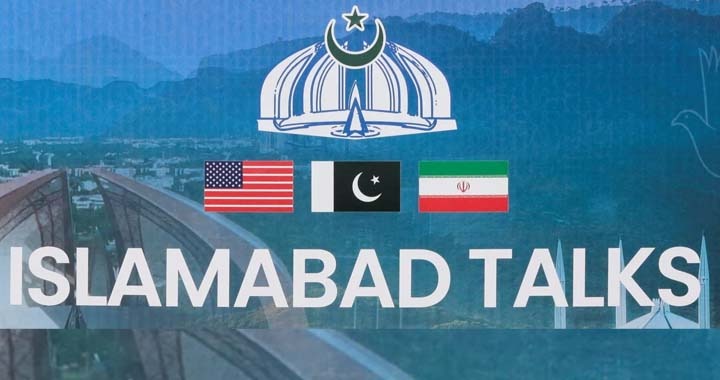
High-level negotiations between the United States and Iran concluded in Islamabad after 21 hours of intensive discussions without a final agreement, as both sides remained divided on key strategic and economic issues. Despite the breakdown in talks, the ceasefire arrangement remains in effect, and diplomatic channels are expected to stay open.
According to details emerging from the discussions, the primary points of contention centered on two core issues. Iran reportedly refused to relinquish its position on control and oversight of the Strait of Hormuz, as well as its nuclear enrichment activities. The United States, meanwhile, did not agree to unfreeze Iranian financial assets or accept the imposition of Iranian toll mechanisms on international maritime traffic.
Sources familiar with the negotiations indicated that neither side made sufficient concessions over the 21-hour engagement to bridge the gap on these critical matters. As a result, the talks ended without a breakthrough, with the U.S. delegation departing after presenting what was described as a “final and best offer.”
Despite the impasse, the diplomatic process has not collapsed. Officials confirmed that the ceasefire remains intact, and both sides have agreed that technical-level engagement will continue. Iran has stated that negotiations will proceed despite unresolved differences, with expert teams expected to exchange documents in the coming phase of discussions.
The breakdown has placed renewed focus on the intense diplomatic efforts undertaken by Pakistan, which hosted and facilitated the negotiations. Islamabad reportedly committed significant political and logistical resources to ensure the talks proceeded smoothly, including large-scale security arrangements, deployment of additional forces, and specialized protection protocols for visiting delegations.
Diplomatic observers note that Pakistan’s role in facilitating the dialogue underscores its emerging position as a key intermediary in sensitive regional negotiations. However, the absence of an immediate agreement has also highlighted the complexity and volatility of the issues at stake.
While some analysts suggest that the proximity of positions on certain issues may leave room for a potential breakthrough in the near future, others caution that deep structural disagreements remain unresolved.
Despite speculation over next steps, diplomatic sources emphasize that neither side has withdrawn from the broader negotiation framework. The continuation of technical discussions and maintenance of the ceasefire are being viewed as critical indicators that dialogue remains possible.
At present, multiple scenarios remain under consideration, including the possibility of renewed engagement through mediation channels or further direct talks if conditions permit. However, no formal timeline has been announced.
Observers note that the outcome reflects the broader challenge of sustaining high-stakes diplomacy under entrenched geopolitical tensions, where even extended negotiations may fall short of immediate resolution.



