
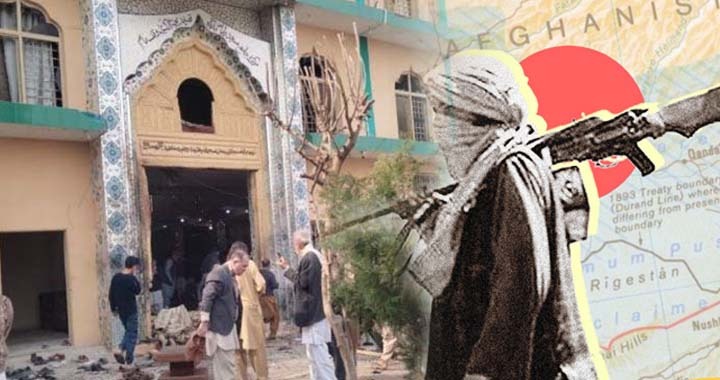
The investigation into the suicide bombing on the Tarlai mosque has evolved from a domestic terror probe into a confirmed, cross-border facilitation network, government sources say. The attacker, trained in Afghanistan and having travelled there multiple times, returned to Pakistan shortly before the deadly assault, which killed 31 worshippers and injured 169 others. Officials warn that the death toll may rise due to critically wounded victims.
Security personnel had intercepted the bomber at the mosque gate, limiting casualties, yet the operation was part of a broader militant structure rather than an isolated act.
In a major follow-up, law enforcement arrested four facilitators linked to the attack—two from Peshawar and two from Nowshera. These individuals are believed to have provided logistical support, safe passage arrangements, and operational guidance to the suicide bomber. Investigators also reported that one police sub-inspector was martyred during the raids, while five personnel—including intelligence officers and Elite Force members—were injured.
Key investigative foci now include:
Training camps attended in Afghanistan
Handler identities and operational coordination
Communication and financing channels
Local logistical support and urban infiltration routes
The arrests validate long-held concerns that the bombing was not a lone act of extremism but part of a coordinated operational pipeline spanning provincial boundaries. Counterterrorism officials note that the facilitation network is indicative of enduring Afghan-based extremist sanctuaries that continue to influence and arm attackers within Pakistan.
Targeting of the mosque, a crowded religious site, reflects the strategic priorities of militant groups: mass civilian casualties, psychological terror, and symbolic disruption. Security forces’ interception of the bomber, coupled with subsequent arrests, demonstrates both the scale of the threat and the critical role of coordinated intelligence-led operations in mitigating further attacks.
Authorities have emphasized that ongoing raids, interrogations, and intelligence sweeps aim to dismantle the entire facilitation structure. The integration of cross-border training with local operatives underscores the urgent need for synchronized regional counterterrorism measures.



