
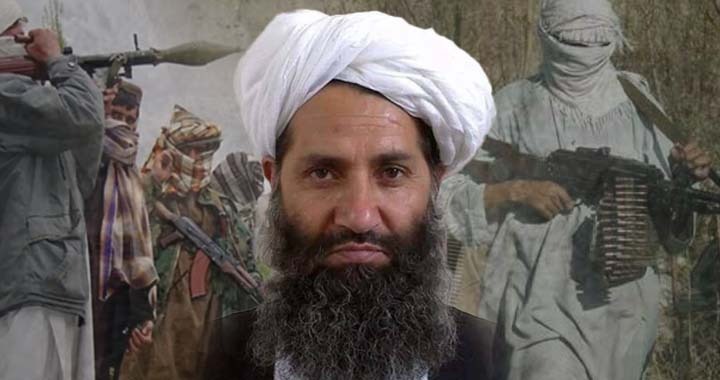
A hard-line religious decree issued by close advisers to Taliban supreme leader Hibatullah Akhundzada has sent shockwaves through militant circles, particularly the Tehreek-e-Taliban Pakistan (TTP).
The fatwa, endorsed by hundreds of Afghan clerics and senior Taliban officials, strictly bans the use of Afghan soil for attacks against any neighboring state — and explicitly forbids attacks outside Afghanistan.
Analysts say the move signals a major policy shift that could shrink the TTP’s operational space and end the permissive environment many Pakistan-focused militants have long relied on inside Afghanistan. With the ruling coming directly from Hibatullah’s inner circle, experts view it as a clear, top-down directive aimed at curbing cross-border militancy.
According to senior Afghan journalist Bilal Sarwary, the decree is not the work of mid-level officials but of the supreme leader’s trusted advisers — which in Taliban politics makes it as authoritative as it gets. The immediate impact, he notes, will be felt by the TTP and other anti-Pakistan groups that have been operating from Afghan territory.
Whether this decisive shift stems from Pakistan’s growing pressure or from the Taliban’s evolving internal priorities remains a subject of debate — but for the TTP, the message is unmistakable: the landscape in Afghanistan may no longer be as safe or accommodating as before.



