
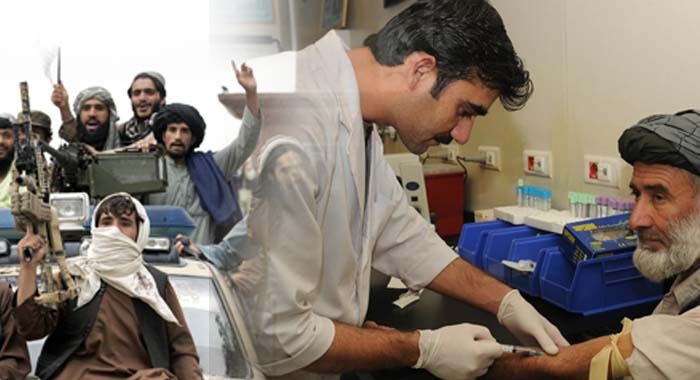
In a troubling development at one of Kabul’s major hospitals, armed Taliban officials intensified pressure on medical staff, triggering serious questions about the safety and neutrality of healthcare providers under the Taliban government. Doctors and specialists at the welfare hospital were reportedly summoned by religious enforcers for ideological questioning, raising fears among clinicians about their security and freedom to treat patients without coercion. According to personnel inside the hospital, Taliban operatives began interrogating doctors and subjecting them to what they described as severe religious scrutiny after treatment of injuries, prompting concerns about the protection of medical neutrality.
The incident suggests that under Taliban rule, even highly trained health professionals do not feel secure in Afghanistan, contradicting the group’s public claims of establishing safety and order. Many doctors expressed hesitation about continuing their duties, citing intimidation and the threat of punitive action if they do not comply with religiously framed demands. Reports from international monitors also indicate that Taliban policies have contributed to a broader collapse of healthcare access, including closures of clinics and dismissals of medical staff.
Health experts say the ongoing crisis has deeper roots. Afghanistan’s public health system faces chronic underfunding, major shortages of medicines, and the halt of international support programs that once kept hospitals functioning. A recent policy note by the UK government highlighted how donor reductions have limited access to essential services for millions of people, making hospitals dependent on short-term funding and undermining basic care delivery.
The United Nations Assistance Mission in Afghanistan (UNAMA) has documented multiple deliberate acts of violence against healthcare personnel in recent months, including attacks that killed patients and workers at maternity wards. These incidents underline the fragility of medical services in a country where political, ideological, and security pressures have converged to threaten both providers and patients alike.
In the wider context, restrictions imposed by the Taliban on women’s involvement in healthcare, including barriers to education and practice, have further strained the system, particularly in maternal and reproductive care. Health advocates warn that without meaningful reforms and protection for medical professionals, Afghanistan’s healthcare system may continue to deteriorate, with dire implications for the civilian population.



