
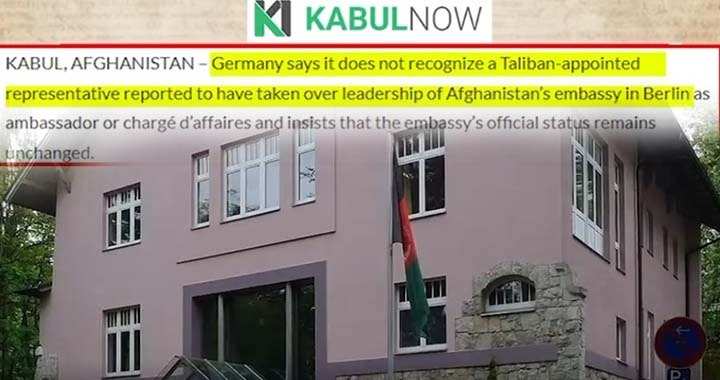
Germany has formally refused to recognize the Taliban-appointed Afghan diplomatic representative in Berlin, delivering a significant diplomatic blow to the extremist regime that continues to govern Afghanistan through authoritarian and violent means. The move underscores the growing international distrust of the Taliban and highlights the regime’s increasing isolation on the world stage.
According to reports from Afghan media outlets Kabul Now and Afghanistan International, the German Foreign Ministry stated that it will not accept any changes or new appointments at the Afghan embassy in Berlin. Germany continues to maintain official relations only with the chargé d’affaires appointed by Afghanistan’s previous, internationally recognized government. The ministry emphasized that under diplomatic protocols, host nation approval is mandatory for the recognition of any representative a criterion that the Taliban-appointed envoy did not fulfill.
Experts describe Germany’s refusal not as a routine administrative decision but as a clear signal of international rejection of the Taliban’s legitimacy. “This is a direct consequence of the Taliban’s extremist and oppressive governance,” said a senior political analyst. “Their violent policies, human rights abuses, and failure to form an inclusive government make it impossible for the international community to engage with them credibly.”
The Taliban’s policies have contributed to both domestic turmoil and Afghanistan’s growing international marginalization. Analysts warn that the country’s future is increasingly threatened by economic paralysis and diplomatic isolation, consequences exacerbated by the Taliban’s hardline ideology and refusal to comply with basic international norms.
Germany’s decision reflects a broader pattern of global skepticism toward the Taliban regime, signaling that the extremist government is unable to secure legitimacy or recognition abroad. The lack of recognition is likely to further restrict Afghanistan’s access to international aid, trade partnerships, and humanitarian assistance, deepening the suffering of ordinary Afghan citizens already facing economic hardship and insecurity.
As the Taliban persist with their authoritarian rule and extremist policies, Afghanistan’s path remains constrained by isolation, instability, and a growing humanitarian crisis. Observers caution that unless the Taliban adopt transparent, inclusive, and internationally compliant governance, the regime will remain a pariah state with few allies and mounting internal and external challenges.



