
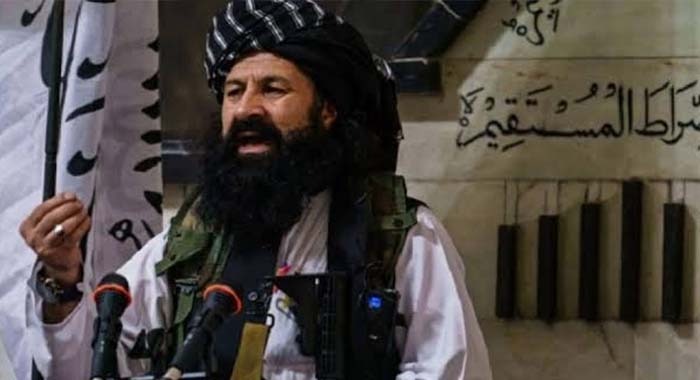
On the first anniversary of the assassination of Khalil-ur-Rahman Haqqani, a senior Haqqani Network figure and former Taliban Minister for Refugees, Taliban-affiliated media released videos claiming to show confessions from an alleged ISIS-K operative involved in the attack. Haqqani was killed in a suicide bombing inside the ministry compound in Kabul, a high-profile assassination that ISIS-K openly claimed responsibility for at the time.
The newly released footage features a man identifying himself as Hamza, asserting that he planned and oversaw the operation against Haqqani. Taliban media also allege that another individual, named Usman, carried out the attack after training and receiving orders. However, independent human rights groups have questioned the authenticity of such videos, warning that confessions aired by Taliban-controlled media may be obtained under coercion, torture, or extreme pressure, without transparent legal procedures or judicial oversight.
The release of these videos comes amid heightened scrutiny of the Taliban’s governance and accountability. Analysts note that the repeated publication of such footage raises serious concerns about the Taliban’s use of media as a tool for political messaging and their lack of transparent, independent investigations into terrorism-related incidents. Observers caution that relying on forced or unverifiable confessions not only undermines public trust but also complicates broader regional security efforts.
Experts emphasize that without transparent processes and credible investigations, the cycle of violence and propaganda is likely to continue. The videos highlight the Taliban’s continuing struggle with legitimacy, as well as their ability or willingness to address terrorism in a manner that meets international standards of justice and human rights.
The incident underscores the persistent challenges in Afghanistan under Taliban rule, where political messaging and media narratives are often intertwined with security operations. International observers warn that without genuine accountability and independent oversight, both domestic and cross-border militant threats may persist, further destabilizing the country and the region.



