
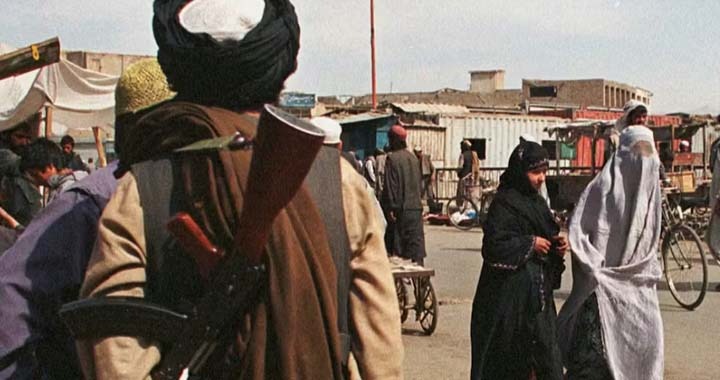
The Afghan Taliban regime is facing mounting international criticism over alleged human rights violations and continued links with militant groups, exposing what analysts describe as its increasingly repressive and destabilizing character.
Reports indicate that the regime’s strict governance model has severely curtailed fundamental freedoms, raising concerns about the future of Afghan citizens, particularly women and marginalized communities. Observers argue that these policies have not only undermined civil liberties but also deepened Afghanistan’s internal fragility.
According to the Washington-based think tank Foreign Policy In Focus, the Taliban’s hardline system, coupled with growing global isolation, has placed Afghanistan’s legal standing and the rights of its citizens under significant strain. The report suggests that the regime’s approach to governance lacks both domestic inclusivity and international legitimacy.
Security concerns have further intensified as analysts point to the Taliban’s alleged ties with extremist organizations, including Al-Qaeda and Tehreek-e-Taliban Pakistan. Experts warn that the regime has shown reluctance in taking decisive action against such groups, raising questions about its commitment to counterterrorism.
Despite claims of sovereignty, the Taliban government has yet to achieve broad international recognition, with most countries withholding formal diplomatic acceptance. Analysts note that this lack of recognition undermines the regime’s ability to represent Afghanistan on global platforms, further complicating its political and economic standing.
A Regime at Odds with the World
Experts emphasize that the Taliban’s rigid and non-democratic policies have contributed to Afghanistan’s increasing isolation, triggering both economic hardship and a worsening humanitarian situation. The continued presence and alleged support of militant networks, they argue, extend beyond Afghanistan’s borders, posing a broader security challenge for the region.
As scrutiny intensifies, the Taliban regime remains under pressure to address both governance and security concerns, though signs of meaningful policy shifts remain limited.



