
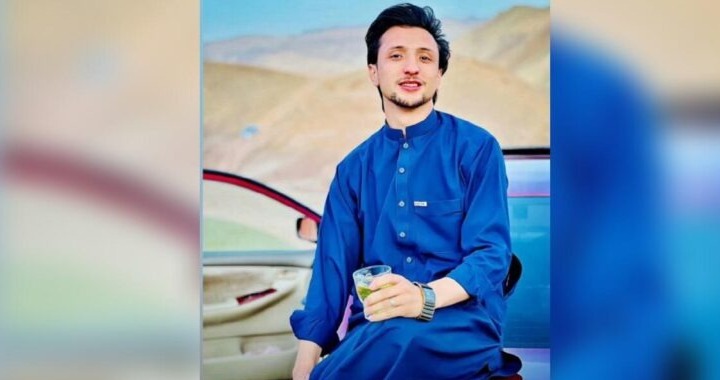
A tragic incident in western Afghanistan has once again highlighted the dangerous and unpredictable nature of Taliban rule, as a 26-year-old man was killed and another wounded when fighters opened fire at a checkpoint in Herat province.
The victim, identified as Nematullah Azizi, was shot while driving home through the fifth district of Herat city on Thursday afternoon, January 15. According to local sources, Taliban fighters fired their weapons to stop a group of motorcyclists performing stunts near the checkpoint. Azizi’s vehicle was struck in the crossfire, killing him instantly and leaving his companion injured.
No official statement has been released by the local Taliban authorities in Herat regarding the incident, further reflecting a pattern of lawlessness and disregard for civilian life. The condition of the injured passenger remains unknown.
This tragic event underscores the pervasive risks faced by ordinary Afghan citizens under Taliban rule. Similar incidents have occurred repeatedly, with Taliban fighters employing arbitrary force and gunfire to enforce control, resolve disputes, or intimidate the population. Such actions not only threaten the lives of innocent civilians but also exacerbate the profound insecurity that Afghans continue to endure since the group’s return to power.
Human rights observers and local residents have long expressed concern over the Taliban’s reliance on violence as a tool of governance. The repeated misuse of firearms in public spaces signals a systemic failure to protect citizens and uphold even the most basic standards of public safety. Communities across Afghanistan now live under constant fear, with little recourse for justice or protection.
This incident in Herat is a stark reminder of the urgent need for the international community and humanitarian organizations to monitor the situation closely, document abuses, and advocate for the protection of civilians. Without accountability and oversight, incidents such as this risk becoming commonplace, further destabilizing Afghan society and eroding trust in governance structures under Taliban control.



