
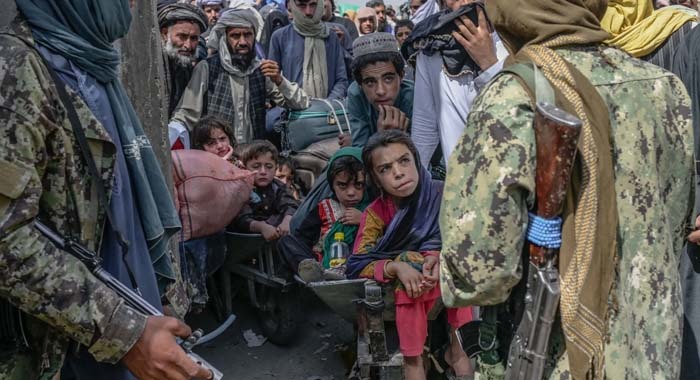
A sharp rise in food prices in Afghanistan has sparked fears that worsening economic hardship could fuel recruitment by terrorist organisations operating within and around the country.
Basic commodities have surged by 400 to 700 Afghanis in recent weeks, with 16 liters of cooking oil now costing more than 2,000 Afghanis, a sack of rice nearing 3,000 Afghanis and flour reaching 1,800 Afghanis. Residents say these price hikes deepen existing unemployment and poverty, compounding a crisis that already leaves many households struggling to survive.
Security analysts warn that such conditions create fertile ground for extremist groups to recruit young, disenfranchised Afghans into militant ranks. Poverty and lack of opportunity have long been exploited by outfits such as Islamic State‑Khorasan (ISIS‑K), which has been active in parts of Afghanistan and remains a persistent threat despite clashes with the Taliban. Research indicates that ISIS‑K and other groups have targeted impoverished populations in the region to bolster their ranks.
Critics say the economic crisis reflects broader failings of Taliban governance. Under Taliban rule, Afghanistan’s economy has floundered, unemployment has soared and basic services have collapsed, contributing to widespread hardship. International reports also note the continued presence or influence of terrorist groups, including al‑Qaeda and affiliates that are believed to maintain training networks in several provinces.
While the Taliban claim to enforce security and counter‑terrorism measures, analysts argue that economic desperation plays into the hands of extremist recruiters, who can exploit disaffection among the population. The question now is whether the group’s policies, framed as security efforts, might inadvertently be feeding the very phenomenon they claim to fight.



