
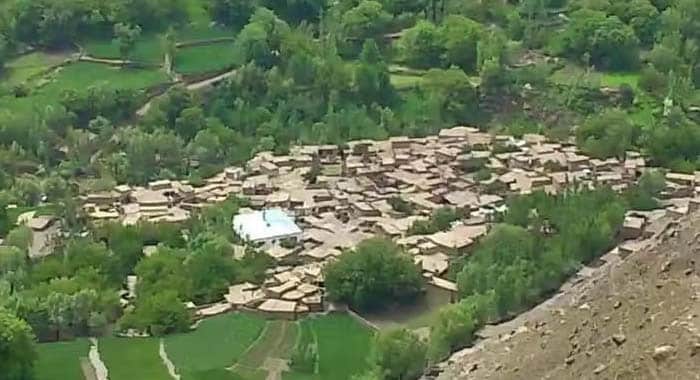
Afghanistan’s anti-Taliban resistance intensified its operations in Badakhshan province after unidentified gunmen attacked the residence of the Taliban’s Chief of Army Staff, Fasihuddin Fitrat, in Wurduj district, highlighting the deteriorating security situation in one of the group’s northern strongholds.
According to local sources, the attack took place on Thursday evening when armed assailants positioned on a mountain overlooking the residence opened sustained fire using light and heavy weapons, including PK machine guns. Taliban guards stationed at the compound returned fire, resulting in a brief exchange before the attackers withdrew from the area.
It remains unclear whether Fitrat was present at the residence during the attack. No casualties or material damage were immediately reported, while no group has claimed responsibility.
The attack comes amid a sharp rise in anti-Taliban activity across Badakhshan, where resistance groups have stepped up coordinated operations over recent days.
Local sources said clashes have continued in Zebak district between Taliban fighters and members of the Afghanistan Freedom Front, while the Sepah-e-Mihan Front recently mounted operations in Yaftal district before withdrawing after heavy fighting.
The deteriorating security situation reportedly prompted Taliban military commanders to reinforce Badakhshan with additional fighters and equipment. Fitrat himself is said to have travelled to the province in recent days to oversee military operations against armed opposition groups.
The latest developments follow the recent killing of a senior Taliban official responsible for information and culture in Badakhshan, further exposing the increasingly volatile security environment in the province.
Residents say security has tightened considerably across several districts, with Taliban checkpoints reinforced and military patrols intensified as authorities attempt to contain the growing insurgent activity.
The renewed violence underscores mounting pressure on the Taliban administration as armed resistance groups expand operations in northern Afghanistan, particularly in strategically important districts bordering Central Asia.



