
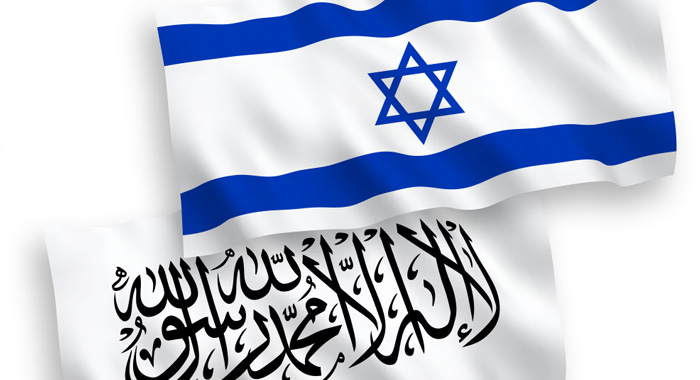
Reports have emerged suggesting that the Taliban may be cooperating with Israel as part of a wider geopolitical strategy affecting Iran and Pakistan, following high-level lobbying efforts by former U.S. envoy Zalmay Khalilzad. Analysts warn that these developments could significantly escalate regional instability in 2026.
According to sources, Khalilzad’s recent visits to Kabul involved securing Taliban support for potential Israeli-Iranian hostilities, including negotiations over access to strategic Afghan locations such as Bagram Airbase. Observers note that the alleged arrangements aim to ensure the Taliban are insulated from threats posed by any future regime in Iran, while facilitating wider U.S.-Israeli objectives in the region.
Experts highlight that the Taliban’s reported ties with Israeli and U.S. intelligence agencies including channels for funding, diplomatic support, and migration incentives — have reportedly strengthened in recent months. These connections, combined with the Taliban’s ongoing control over Afghan territory, could allow the group to act as a proxy in regional conflicts, potentially undermining security in neighboring Iran and Pakistan.
The dynamics are further complicated by Tehran’s prior support for Taliban-aligned factions to counter anti-Taliban forces, a relationship that analysts suggest has been weakened as Washington and Tel Aviv pursue regime-change strategies in Iran. Observers describe the Taliban’s shifting allegiances as a significant blow to Iranian regional influence and a potential trigger for cross-border tensions.
The geopolitical implications are broad, with the Taliban’s alleged alignment raising concerns about Afghanistan being used as a staging ground for proxy operations benefiting external actors, including Israel and India. Analysts caution that such developments may destabilize the region, heighten sectarian and political tensions, and complicate international diplomatic efforts.
While these reports remain unverified, security experts stress that the Taliban’s increasingly active role in regional power plays underscores Afghanistan’s vulnerability as a hub for proxy conflicts and highlights the urgent need for robust monitoring by regional and international actors.



