
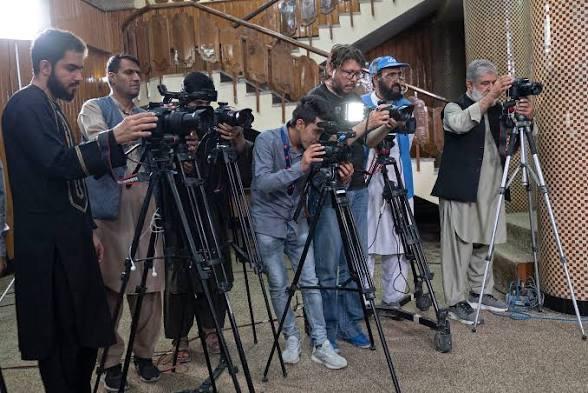
Freedom of the press in Afghanistan has come under severe strain, with a new annual report highlighting a sharp escalation in restrictions, violence, and censorship imposed on journalists, raising serious concerns about the future of independent media in the country.
According to the report released by the Afghan Journalists Center on National Journalism Day, the current environment for media professionals has deteriorated significantly, with authorities accused of systematically suppressing dissent and restricting the free flow of information. The report describes the situation as a direct assault on freedom of expression, warning that independent journalism is being pushed to the brink of collapse.
Over the past year, documented violations against journalists and media institutions have increased by 20 percent, with at least 207 incidents recorded. These include cases of violence, arbitrary arrests, intimidation, and enforced censorship. The findings indicate a pattern of sustained pressure aimed at silencing critical voices and controlling public discourse.
The report further reveals that restrictive policies have led to the closure of 21 television stations and eight media organizations, while more than ten journalism licenses have been revoked. In addition, bans on the publication of images have been extended to 18 more provinces, bringing the total number of affected provinces to 25. These measures have significantly curtailed the operational capacity of media outlets across the country.
State-run media channels have increasingly been used to disseminate official narratives, limiting space for independent reporting. Journalists have reportedly been detained and compelled to deliver forced confessions, further undermining the credibility and safety of the profession. Female journalists, in particular, face heightened restrictions, including barriers to participating in press conferences and broader limitations on their professional activities.
Analysts warn that such measures reflect an attempt to consolidate control and suppress scrutiny, particularly in light of ongoing governance challenges. The imposition of sweeping restrictions on media and civil liberties, they argue, not only undermines transparency but also contributes to a climate of fear and misinformation.
The report concludes that continued curbs on press freedom, alongside broader human rights concerns, risk deepening Afghanistan’s isolation and weakening institutional resilience. Observers stress that without meaningful reforms and protections for journalists, the country’s media landscape may face further decline, with long-term implications for accountability and public awareness.



