
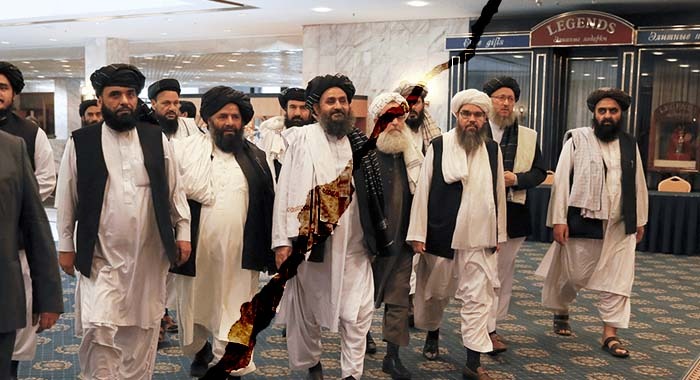
Emerging reports indicate growing internal divisions within the Afghan Taliban regime, triggering serious concerns about the possibility of internal conflict and political fragmentation. According to a report published by the U.S.-based journal The Diplomat, leaked audio recordings have brought to light unprecedented admissions by the Taliban’s supreme leader regarding deep-rooted discord within the ruling structure.
In the leaked audio, Taliban Supreme Leader Hibatullah Akhundzada reportedly acknowledges the existence of internal conspiracies, rivalries, and escalating tensions among senior leadership circles. He warns that if these internal disagreements persist, they could ultimately lead to the collapse of the so-called Islamic Emirate, underscoring the severity of the crisis confronting the regime from within.
The Diplomat reports that the long-rumored divide between the Kabul and Kandahar factions has now become increasingly visible and confrontational. While Taliban leaders have publicly projected unity, the report suggests that internal cohesion is largely rhetorical, with real power struggles intensifying behind the scenes. The situation reportedly deteriorated further following the killing of Taliban Minister for Refugees Khalil Rahman Haqqani, after which tensions between the influential Haqqani Network and the Kandahar-based leadership sharply escalated.
The internal rift has reportedly extended into governance and administrative control. Afghan authorities allegedly ordered a nationwide shutdown of internet and mobile services amid rising tensions. However, the Kabul-based faction is reported to have defied orders originating from Kandahar, refusing to comply with the shutdown directive. The subsequent restoration of internet services by Kabul authorities is being characterized by Kandahar-aligned elements as an act of open defiance against the supreme leader.
Observers note that such acts of insubordination reflect a weakening central command and an erosion of hierarchical authority within the Taliban regime. The growing power struggle between competing factions not only undermines internal stability but also raises the specter of broader unrest at a time when Afghanistan is already grappling with economic collapse, humanitarian crises, and international isolation.
Analysts warn that continued infighting among Taliban factions could push Afghanistan toward renewed internal conflict, reversing claims of stability made since the Taliban’s return to power. The revelations contained in the leaked audio have intensified concerns that unresolved rivalries, factional loyalties, and competing centers of power may plunge the country into yet another period of turmoil.
As these developments unfold, regional and international stakeholders are closely monitoring the situation, recognizing that instability within the Taliban regime could have serious implications not only for Afghanistan’s future but also for regional security and peace



