
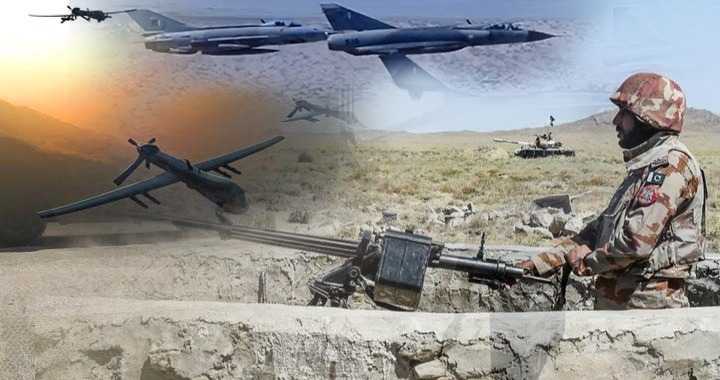
The Afghan governance vacuum is forcing Pakistan to adapt its counterterrorism strategies. Intelligence officials report that militant groups, including the TTP, are increasingly using Afghan safe havens to plan attacks inside Pakistan. In response, Islamabad has intensified joint operations, border surveillance, and intelligence-led strikes.
Experts note that the integration of technical capabilities with human intelligence has become critical to anticipate and pre-empt threats emanating from Afghanistan. Coordination between federal and provincial agencies is vital, particularly in regions bordering Afghanistan, where operational complexity is highest.
Pakistan’s approach is being informed by both immediate security imperatives and long-term strategic calculations. Analysts argue that sustained pressure on militant networks, coupled with regional diplomacy, is necessary to prevent Afghanistan’s instability from escalating into a protracted security crisis.
Security Pivot
The effectiveness of Pakistan’s counterterrorism posture will depend on continuous intelligence cooperation, enhanced operational readiness, and the ability to adapt strategies to evolving threats along a fluid border environment.



