
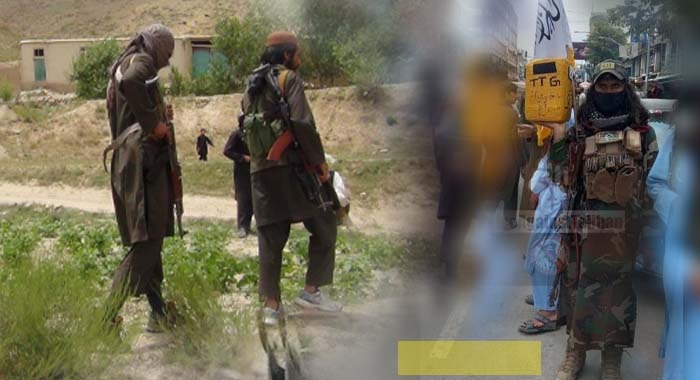
A photograph can sometimes do what dossiers, demarches, and denials cannot, it freezes a moment and forces accountability. The recently surfaced image from Taliban-controlled Afghanistan, showing a member of the Afghan Taliban’s security forces holding a mock improvised explosive device glorifying the banned Tehreek-e-Taliban Gul Bahadur group, does exactly that. It lands amid a long-running dispute between Islamabad and Kabul and sharply narrows the space for ambiguity.
For years, the Afghan Taliban have rejected Pakistan’s allegations that Afghan soil is being used by militant groups to plan and execute attacks across the border. These denials have been repeated in diplomatic exchanges, regional forums, and engagements involving international bodies. Yet the growing accumulation of visual, intelligence-based, and field-level indicators is steadily weakening the plausibility of those claims.
The image circulating online is being assessed by security analysts not as an isolated provocation, but as a window into ideological proximity. The symbolism is difficult to dismiss. A Taliban security official openly displaying material linked to a proscribed group suggests more than negligence, it points to tolerance, and possibly endorsement, within segments of the Afghan Taliban’s security apparatus. For Pakistan, which has long argued that ideological overlap between Afghan Taliban factions and anti-Pakistan militant groups fuels cross-border violence, the photograph serves as a rare piece of public-facing evidence.
This visual development coincides with reports of unrestricted militant movement inside Afghanistan. Just days ago, sources in northern Afghanistan described an unregistered vehicle marked with Tehreek-e-Taliban Pakistan insignia moving freely through Mazar-e-Sharif, carrying armed men who reportedly faced no resistance or questioning. The sighting in a major urban center, far from remote border areas, further challenges the narrative that Kabul lacks awareness or control.
Pakistan has repeatedly shared intelligence with the Afghan authorities and raised concerns at international platforms, asserting that operational hubs, training facilities, and recruitment networks linked to TTP and Al-Qaeda continue to function across several Afghan provinces. Islamabad has also pointed to forensic and biometric data showing that numerous militants killed in attacks inside Pakistan were Afghan nationals, reinforcing claims that militant infrastructure remains active across the border.
Kabul, however, has maintained that it does not permit the use of Afghan territory against neighboring states. The Taliban leadership argues that security challenges are inherited and exaggerated, and that isolated incidents are being politicized. Yet analysts note that denials unsupported by visible enforcement measures are becoming harder to sustain. When armed militants patrol cities, and security personnel display symbols of banned groups, assurances begin to ring hollow.
The implications extend beyond bilateral friction. Persistent ambiguity over militant sanctuaries undermines regional stability and complicates international engagement with the interim Afghan authorities. For Pakistan, the cost is immediate and measurable, continued militant violence, civilian casualties, and pressure on its counterterrorism apparatus.
As evidence accumulates, the question is no longer whether Pakistan can substantiate its concerns, but whether the Afghan Taliban are willing to confront elements within their own system. Failure to do so risks deepening mistrust, isolating Kabul further, and allowing militancy to harden into a permanent feature of the regional security landscape.



