
Moscow has indicated that large-scale recruitment of Afghan migrant workers is currently unfeasible due to security concerns and the absence of mechanisms to regulate and monitor migration flows, according to a senior Russian official.
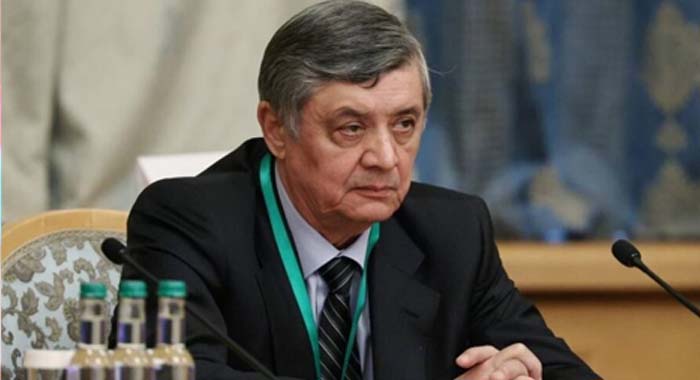
Speaking on Monday, Zamir Kabulov, Russia’s special envoy for Afghanistan, emphasized that existing laws prevent Russia from opening its economy to significant numbers of foreign workers without effective screening and oversight, as reported by RIA Novosti.
“Without a system of filtering and regulation, such a process would pose security risks,” Kabulov said. He warned that, in the absence of proper controls, “various elements, including destructive ones,” could enter Russia under the guise of labour migration.
Kabulov noted that Russia may consider expanding employment opportunities for Afghan workers in the future, but only if a fully organised, regulated, and jointly controlled framework is established between the two countries conditions that are currently lacking. At present, Russia’s annual quota for Afghan workers is limited to approximately 80 individuals.
The Taliban have previously proposed sending Afghan labourers to Russia, but no formal agreements have been concluded to date. While Russia relies heavily on migrant labour, particularly from Central Asian countries such as Uzbekistan, Tajikistan, and Kyrgyzstan, the number of Afghan nationals legally employed in Russia remains relatively small, estimated at a few thousand according to migration experts.
Since the Taliban’s return to power in 2021, hundreds of thousands of Afghans have sought work abroad amid severe economic challenges and high unemployment. However, many destination countries, including Russia, have tightened migration rules, citing security concerns and the lack of formal labour agreements with Afghanistan.
Despite Russia’s gradual expansion of diplomatic engagement with the Taliban administration and formal recognition of the group, security considerations continue to play a central role in shaping Moscow’s policies toward Afghan migration. Authorities remain focused on ensuring that any labour cooperation does not compromise national security or public safety.
Russia’s position highlights the challenges of integrating Afghan labour into foreign markets while addressing the dual concerns of security and regulatory oversight. It underscores the importance of structured agreements, bilateral cooperation, and robust migration management systems as prerequisites for any significant expansion of Afghan labour participation abroad.



