
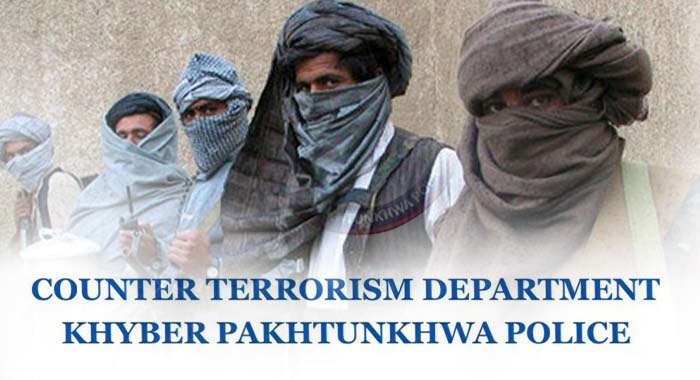
The Counter Terrorism Department of Khyber Pakhtunkhwa has issued a list of the 20 most wanted terrorists operating in South Waziristan, announcing a total bounty of Rs 66 million on their heads, officials said.
According to CTD sources, the highest reward has been placed on Zabiullah Malang, a highly wanted terrorist from Banjukar area of tehsil Sarwakai. Authorities have fixed a bounty of Rs 5 million along with a motorcycle for information leading to his arrest or killing.
From the same tehsil, Noor Hassan alias Zahid and Maulvi Abdullah have each been declared wanted with bounties of Rs 4 million. In Sara Rogha, the heads of Shehbaz alias Watan Mal and Ehsan Ehsana carry rewards of Rs 4 million each, along with a motorcycle for both.
In Shaktoi, a bounty of Rs 4 million has been announced for Haji Khalid, while Hamza carries a reward of Rs 3 million and Qari Saeed Rs 2 million. In the Makeen area, Musa Din has been listed with a bounty of Rs 2.5 million, while Aqabi carries a reward of Rs 1.5 million. Maulvi Ahmed Yar has been declared wanted with a bounty of Rs 3.5 million and a motorcycle.
In Lurha, the CTD has announced Rs 2 million and a motorcycle for the arrest of Maulvi Siddiq Sindani, while Jannat Wali carries a bounty of Rs 2 million. In Badr, Hafiz Waqas has been listed with a reward of Rs 3.5 million.
From Ladha, Syed Ahmed alias Nashtar Rocketi has been declared wanted with a bounty of Rs 4 million along with a motorcycle. In Zarmilan, Shamshad carries a reward of Rs 3 million. In Angoor Adda, Jasim Wazir has been listed with a bounty of Rs 3.5 million and a motorcycle, while Abdul Karim from Azam Warsak carries a reward of Rs 3 million and a motorcycle.
In Wana, the CTD has announced Rs 3.5 million and a motorcycle for the arrest of the highly wanted terrorist Talha. In Toi Khulla, Maulvi Haidari has been declared wanted with a bounty of Rs 4 million and a motorcycle.
CTD officials said the move is part of intensified counterterrorism efforts in South Waziristan, urging the public to cooperate with law enforcement by sharing information through designated channels, assuring confidentiality and protection for informants.



