
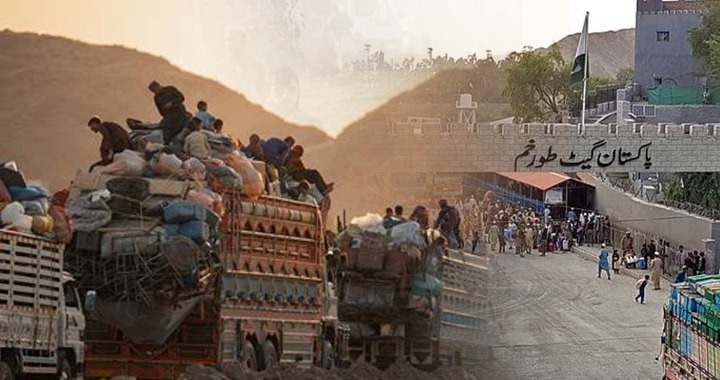
Pakistan carried out the organized repatriation of 85 Afghan refugees today through the Torkham border, underscoring Islamabad’s increasing focus on structured returns amid long-standing migration pressures. As of now, the composition of the group—how many were women, children, or elderly—remains unclear, but officials emphasize that today’s movement reflects broader trends in border management and security policy.
This repatriation aligns with administrative directives issued in tribal districts like Bajaur, where authorities recently instructed Afghan refugees to vacate certain areas by March 25. The measures aim to balance humanitarian obligations with Pakistan’s national security priorities, ensuring orderly returns while minimizing strain on local infrastructure and social services.
Today’s repatriation is part of a broader shift from continuous Afghan inflow to structured returns, driven by evolving host-country policies, deportation programs, and security concerns. UNHCR data shows that over 1.9 million Afghans returned from Pakistan in 2025, reflecting both voluntary and organized repatriation. For Islamabad, these movements are increasingly seen as inevitable: prolonged settlement of undocumented populations near sensitive border areas can complicate law enforcement, strain resources, and create openings for criminal or extremist exploitation.
District authorities note that the returnees are being processed in coordination with border officials and humanitarian agencies to ensure safe transit. Structured monitoring, registration, and support mechanisms aim to prevent displacement-related destabilization and facilitate reintegration in Afghanistan, even as immediate demographic details remain incomplete.
The security rationale behind repatriation is multifaceted. Borders in Khyber Pakhtunkhwa and adjoining districts remain sensitive to infiltration, illegal settlement, and resource pressures. Organized returns help authorities maintain oversight, prevent potential exploitation by criminal networks, and reduce the operational complexities that arise from unregulated migration.
Historical patterns reinforce the urgency of today’s measures. Pakistan has hosted millions of Afghan refugees since the 1980s, and shifts in policy now reflect both domestic pressures and bilateral considerations. Coordinated repatriation, while not without challenges, is positioned as a necessary step to preserve border integrity, uphold humanitarian standards, and reduce latent security risks.
Ultimately, today’s repatriation is more than a simple cross-border movement. It demonstrates Pakistan’s attempt to impose order on migration flows, protect border communities, and mitigate security vulnerabilities, while linking immediate operational measures to the country’s broader strategic and humanitarian framework.



