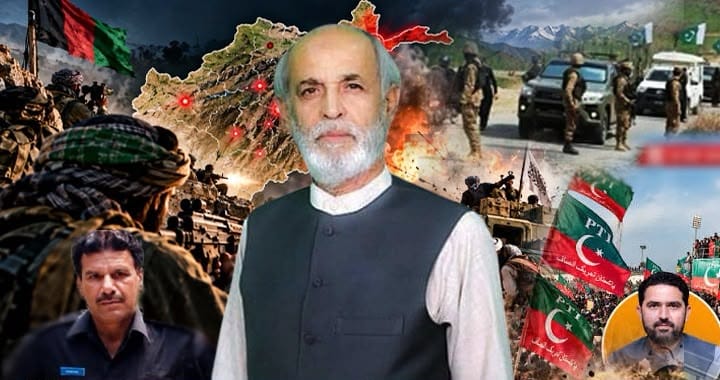
Afghanistan is facing a continuing challenge to Taliban rule, with resistance groups claiming attacks across an expanding geographical area. At the same time, Khyber Pakhtunkhwa is confronting worsening security concerns, growing political confrontation between the provincial and federal governments, and public frustration over the delivery of basic services. These developments are taking place alongside a continuing deadlock in Pakistan-Afghanistan relations, with consequences for trade, regional security and the wider economy.
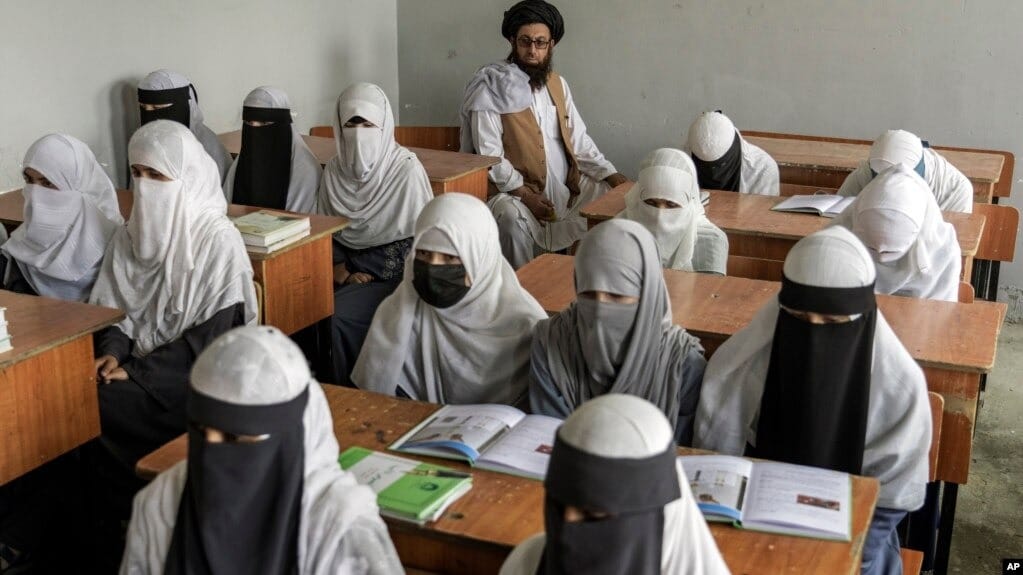
A report published by an international newspaper says that resistance against the Afghan Taliban has spread to 26 provinces. According to the report, five resistance groups claimed responsibility for 119 attacks during August and September 2026. These groups have also claimed to have inflicted significant human and financial losses on the Taliban.
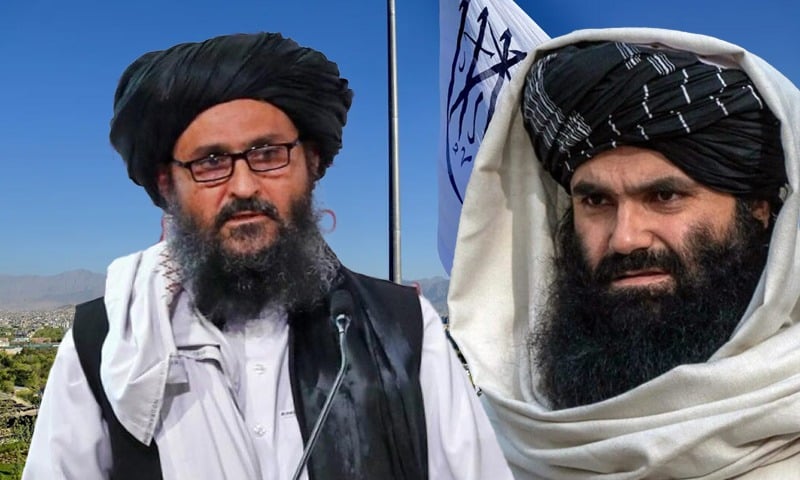
The Taliban authorities have not officially confirmed the scale of the losses claimed by the resistance groups. They have, however, periodically announced operations against resistance networks, arrests of their members and measures intended to demonstrate that the opposition has been suppressed. Taliban officials have maintained that resistance has been crushed and that no significant challenge remains.
The information emerging from different parts of Afghanistan, however, suggests that the situation may not be as straightforward as these claims indicate. Resistance activity has been reported in provinces including Badakhshan, Baghlan, Kunar and Panjshir, as well as Helmand, Kandahar, Nimroz, Ghor, Badghis and Faryab. These locations span northern, western and southwestern parts of the country, suggesting that opposition to Taliban rule is not necessarily confined to one geographical area.
A recent incident in Faizabad, the capital of Badakhshan, illustrates the continuing uncertainty. A resistance group associated with Ahmad Massoud claimed that it had targeted a vehicle carrying Taliban personnel with a bomb, killing a commander and three other Taliban members. The Taliban police spokesperson confirmed that a vehicle had been targeted by an explosion involving a remotely controlled improvised explosive device. He confirmed two injuries, but did not verify the resistance group’s claim of four deaths.
Reports following the incident said that approximately 40 people were arrested in Faizabad on suspicion of involvement. The incident reportedly prompted heightened security measures and restrictions, increasing concern among residents. Such developments indicate that, regardless of competing claims about casualties or the strength of the resistance, the security situation remains a source of anxiety.
The Taliban may continue to announce that opposition groups have been defeated, but the persistence of reported attacks and subsequent security operations raises questions about the durability of that claim. The coming months will show whether these groups can sustain their activities and whether the Taliban can contain them without imposing further restrictions on the population.
The situation in Khyber Pakhtunkhwa presents a different but equally serious challenge. The province is experiencing terrorist violence while its provincial and federal governments remain embroiled in political confrontation. Political activity has increasingly occupied the attention of the leadership at a time when security coordination and public administration require sustained engagement.
The long march launched from Lakki Marwat on October 4 has become a central feature of this political confrontation. Led by Chief Minister Sohail Afridi, the procession moved through different parts of the province, reaching Peshawar after travelling through the Matani and Khyber areas. Charsadda was also on its announced route. Yet the march and the disputes surrounding it have unfolded against a troubling security backdrop.
A recent attack in Karak reportedly killed a station house officer and his gunman, while a passerby was injured. Police subsequently deployed additional personnel to the area and launched a search operation. The incident is a reminder that the province’s security challenges do not pause while political parties and governments confront one another.
The question is not whether the chief minister or other political leaders have the right to participate in political activity. They do. The question is whether the province’s governing machinery is giving adequate attention to the security situation while political tensions continue to rise.
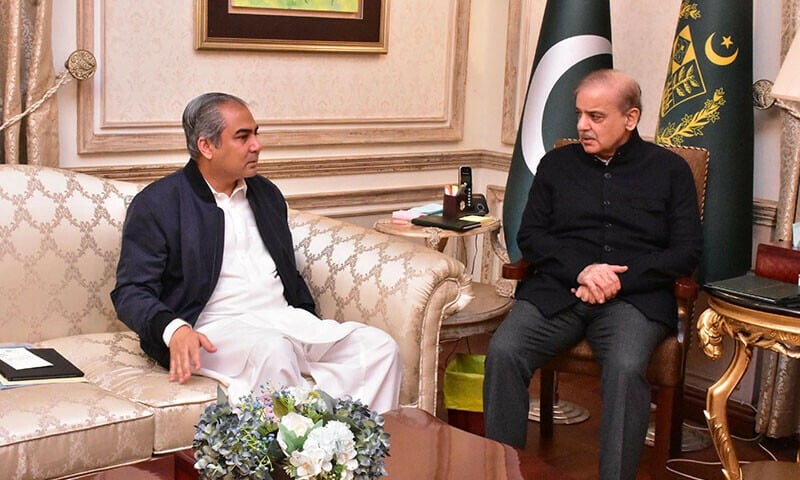
The confrontation has extended to the constitutional and administrative roles of provincial institutions. A meeting convened by the Khyber Pakhtunkhwa governor with the chief secretary and inspector general of police was followed by a provincial cabinet meeting that described the governor’s initiative as unconstitutional, unlawful and an interference in provincial affairs. Political exchanges and public statements by rival parties followed.
Whatever the merits of the competing positions, a continuing dispute over institutional authority cannot substitute for effective coordination on law and order. When political leaders concentrate on challenging one another, the risk is that urgent administrative priorities receive less attention. The province needs cooperation on security, not a cycle in which every institutional meeting becomes another front in the political conflict.
The absence of a major meeting of the provincial Apex Committee to address the deteriorating security situation is particularly concerning. Such coordination is important when terrorist attacks are increasing and police personnel are coming under fire. Political disagreements may be unavoidable, but they should not prevent the relevant authorities from developing a common assessment of the threat and deciding what action is required.
The consequences are felt most directly by ordinary people, particularly residents of the tribal districts and other vulnerable areas. Many communities continue to face difficulties in accessing basic facilities and public services. Insecurity adds to these hardships, while political instability risks weakening the administration responsible for addressing them.
The effects can also be seen in the functioning of everyday institutions. During the recent security situation in Peshawar, schools were closed and telephone networks were suspended. Such measures may be adopted for security reasons, but they disrupt education, communications, commercial activity and the daily lives of families. People who travel to Peshawar to visit government offices, resolve administrative disputes or pursue cases can face additional expense and frustration when the relevant officials or staff are unavailable.
The education and health sectors, police, district administrations and courts all have responsibilities that continue regardless of political confrontation. When citizens cannot obtain answers or have their problems resolved, frustration and a sense of deprivation deepen. At a time of high inflation, an unsuccessful trip to a government office is not a minor inconvenience. It costs people money, time and confidence in public institutions.
If the present situation continues, the consequences could extend beyond individual incidents of violence. Insecurity, institutional friction and weak service delivery can reinforce one another, further eroding public trust. The provincial and federal governments must therefore find practical ways to coordinate on security, while the provincial administration must ensure that public services do not become secondary to political priorities.
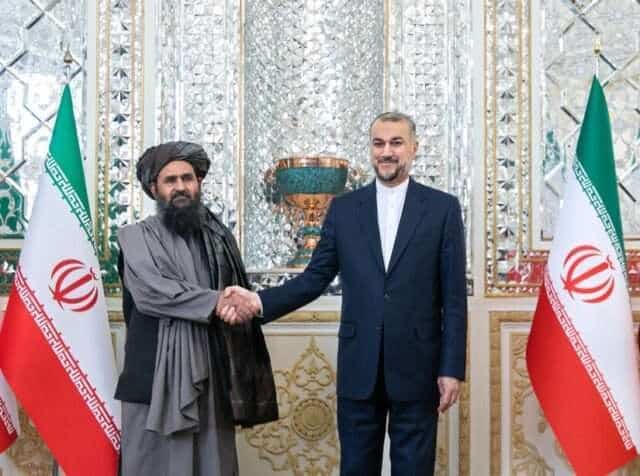
Pakistan’s relations with Afghanistan are also showing little sign of improvement. At the eighth Moscow Format meeting, Afghan Foreign Minister Amir Khan Muttaqi and Pakistan’s special representative, Sadiq Khan, reportedly did not hold the kind of bilateral meeting that had taken place during earlier regional gatherings. The meeting was marked by a public disagreement, and no joint communiqué was issued. The absence of subsequent progress reflects the depth of the tensions between the two countries.
Trade closures have added an economic dimension to the dispute. Reports suggest that the suspension of bilateral trade has affected approximately 1.7 million people in Pakistan, including transporters, laborers, commission agents, manufacturers and traders connected to commercial routes stretching from Torkham and Chaman to Karachi. The longer the disruption continues, the greater the pressure on businesses and livelihoods that depend on cross-border commerce.
Developments surrounding the proposed Wakhan corridor also deserve attention. A more direct trade route between Afghanistan and China could offer Afghan fruit and vegetable producers access to a substantial Chinese market. That possibility may create new commercial opportunities for Afghanistan, but it could also change established regional trading patterns.
There are concerns that Chinese goods entering Afghanistan could subsequently be smuggled into Pakistan, while Afghan products moving toward China might also enter Pakistan through informal channels. These are risks that require assessment rather than assumptions, but they underline the need for effective border management, customs enforcement and regional trade arrangements. Pakistan cannot afford to ignore changes in regional connectivity while its existing trade routes remain disrupted.
Ultimately, Afghanistan’s internal security, Pakistan’s counterterrorism challenges, political stability in Khyber Pakhtunkhwa and cross-border trade cannot be treated as unrelated matters. Developments in one area can influence the others. Pakistan needs a coherent approach to security and diplomacy, while Khyber Pakhtunkhwa needs functioning institutions and sustained attention to the needs of its citizens.
Political confrontation may dominate the headlines, but it cannot resolve terrorism, restore trade or deliver basic services. The priority must be practical cooperation, effective administration and policies that reduce insecurity rather than deepen uncertainty. The people of Khyber Pakhtunkhwa, like those across the border, need stability that can be felt in their daily lives, not merely announced in official statements.