
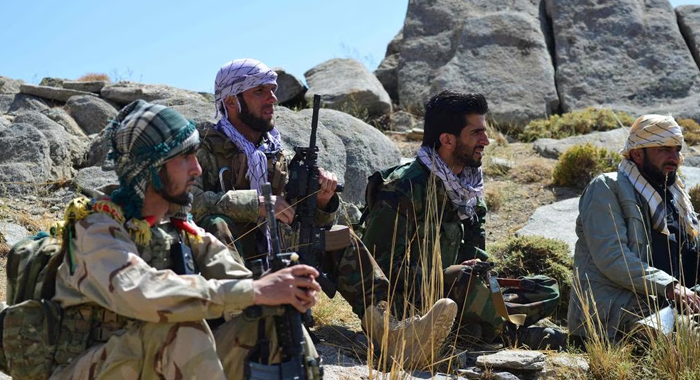
Afghanistan’s National Resistance Front (NRF) has reported that its fighters killed two Taliban members and wounded another during a targeted overnight operation in Kunduz Province. According to a statement posted on the NRF’s official X account, the operation took place at approximately 10 p.m. on Monday in the Zanjir-e Charchab area of Khanabad district. The group said its fighters executed the raid as part of ongoing resistance efforts against the Taliban’s control in the region.
The NRF, led by Ahmad Massoud, is an anti-Taliban organization that emerged in response to the Taliban’s return to power in Afghanistan in August 2021. The group has claimed responsibility for several operations targeting Taliban positions across northern and central Afghanistan, underscoring ongoing instability and persistent opposition to the Taliban’s rule.
The latest operation highlights the continued challenges facing the Taliban in maintaining security in northern provinces such as Kunduz, where local resistance movements remain active. Analysts note that while the Taliban assert control over much of the country, groups like the NRF continue to conduct asymmetric operations, demonstrating both organizational capability and sustained opposition.
The NRF’s statement further emphasized that the operation was carried out with precision and targeted planning, aiming to minimize civilian harm while focusing on Taliban fighters. Such actions reflect the group’s ongoing strategy to maintain pressure on Taliban forces and assert its presence in key contested areas.
Security analysts say that the persistent operations by the NRF indicate that insurgent resistance in northern Afghanistan remains a significant factor in the country’s security landscape, despite the Taliban’s broader control. These clashes are likely to contribute to ongoing instability and highlight the fragile nature of Taliban governance in provinces like Kunduz.
The situation underscores the broader challenges for Afghanistan’s northern provinces, where local resistance networks continue to operate, occasionally clashing with Taliban forces and maintaining a level of contestation in the region.



