
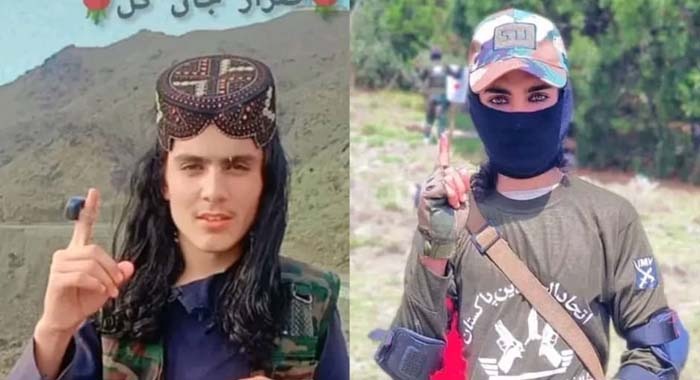
Images of the suicide attacker involved in the March 6 blast in Miranshah have surfaced on social media, allegedly shared by a militant faction linked to the banned Tehreek-e-Taliban Pakistan (TTP), commonly referred to by authorities as Fitna al-Khwarij.
According to the posts circulating online, the attacker was identified as Zarar Wazir, a resident of the Razmak area in North Waziristan. The images were reportedly distributed by a group calling itself Ittehad al-Mujahideen, which is associated with the militant network.
Security sources say the case highlights a recurring pattern in which militant groups recruit and use young individuals for suicide attacks. Zarar Wazir was reportedly a Hafiz-e-Quran, and investigators believe he may have been influenced through ideological propaganda and promises of religious reward.
Officials also indicated that such networks often rely on coercion, manipulation, or psychological pressure to control recruits. In some cases, vulnerable youths are allegedly subjected to blackmail or exploitation to ensure their compliance.
Initial findings suggest that the explosive-laden vehicle used in the attack had been prepared in advance, and investigators are examining cross-border supply routes for materials used in the device.
Security analysts say the use of young recruits in suicide attacks has been a recurring tactic of militant groups operating in the region. Authorities maintain that these groups frequently target vulnerable segments of society, particularly economically disadvantaged youths, for recruitment.
Officials say investigations into the Miranshah attack are ongoing as security agencies continue efforts to dismantle militant networks operating in the area.



