
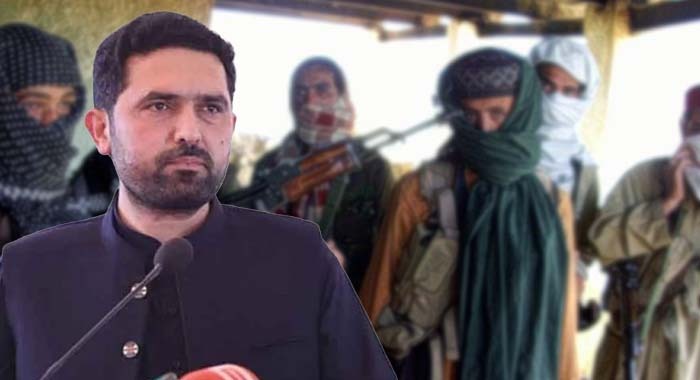
Pakistan faces a renewed threat as political statements suggesting dialogue with Taliban-linked militants have surfaced, raising alarm among security analysts and the public alike. On January 6, 2026, Khyber Pakhtunkhwa Chief Minister Sohail Afridi addressed the provincial cabinet and emphasized his opposition to military operations against these groups, signaling a willingness to reopen negotiations with factions historically associated with deadly attacks, including the Tehreek-e-Taliban Pakistan and other extremist groups connected to the Afghan Taliban.
The history of such negotiations has repeatedly demonstrated their futility. Past ceasefire agreements and peace deals with the TTP and other armed groups have consistently failed to achieve lasting stability, instead allowing militants to reorganize and launch more sophisticated and bloody attacks. Agreements reached in South Waziristan in 2004 and 2005, in North Waziristan in 2006, and in Swat and Bajaur in 2008 were all broken, forcing large-scale military operations such as Rah-e-Haq and Sher Dil. Even a ceasefire signed as recently as 2022 was violated, reinforcing the bitter reality that negotiating with Taliban-linked groups has historically empowered these militants while endangering civilians and law enforcement personnel.
Security analysts note that elements of the Afghan Taliban continue to provide ideological guidance, logistical support, and safe havens for TTP operations across the border. During the tenure of the Pakistan Tehreek-e-Insaf in Khyber Pakhtunkhwa, tens of thousands of militants were reportedly allowed to operate with relative freedom, facilitating networks of terrorism, smuggling, extortion, and other illegal activities. Recent revelations of contacts between PTI officials and TTP militants, along with public statements glorifying terrorist acts, further suggest a softening of political attitudes toward groups that have long been recognized as threats to the state.
Reopening negotiations under these circumstances would represent a serious strategic mistake. It risks weakening the authority of the state, undermining the credibility of law enforcement agencies, and reviving militant networks that have repeatedly targeted civilians, government institutions, and security forces. History demonstrates that concessions to these groups inevitably lead to escalated violence, destabilizing entire regions and threatening national security.
Pakistan’s fight against militancy has been long and costly, requiring the sacrifices of armed forces, police, and ordinary citizens. Any soft approach toward Taliban-backed groups only strengthens their networks and emboldens further attacks. The people of Khyber Pakhtunkhwa, along with national institutions, face a critical choice: to repeat the mistakes of the past or to uphold security, the rule of law, and the sacrifices of thousands who have defended the state from terrorist aggression.



