
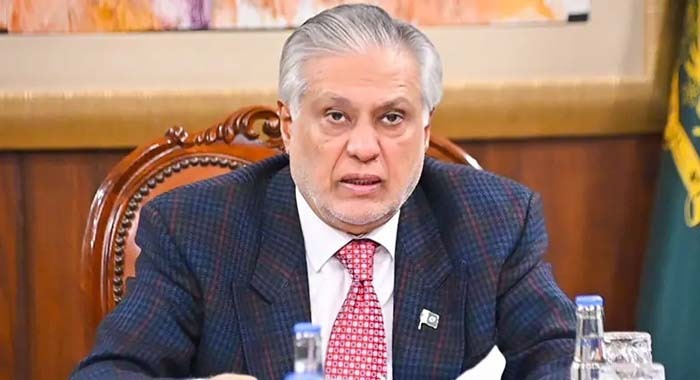
Precision strikes were carried out by Pakistan against militant infrastructure inside Afghanistan on the basis of verified intelligence, Deputy Prime Minister and Foreign Minister Ishaq Dar said, adding that the right to take all necessary measures in self-defence was reserved.
He stated that 37 locations in Kabul, Nangarhar, Paktika and other areas were targeted with extreme caution. The operations were directed solely against militant elements, including components of the Taliban regime, and civilian populations were not targeted.
Pakistan was said to possess concrete evidence of terrorism originating from Afghan territory. Attacks on 53 locations across 15 sectors along the border were described as unacceptable. The operation, codenamed “Ghazab Lil Haqq,” was conducted against Tehreek-e-Taliban Pakistan and other militant groups, with hideouts and training camps reported destroyed.
Dar said Pakistan sought peaceful and cooperative relations with Afghanistan. A total of 4,500 scholarships were offered for Afghan students as part of outreach efforts. Kabul was urged to ensure its territory was not used for attacks against Pakistan. He noted that three visits to Afghanistan were made last year, during which economic cooperation and trade were discussed.
Diplomatic engagements in Doha and Istanbul were said to have failed to yield tangible results. Outreach to friendly countries was continuing to brief them on the situation and to build support for de-escalation.
On broader regional developments, Pakistan reiterated support for peace efforts in Gaza and called for humanitarian assistance for its population. Dialogue and diplomacy were described as the primary means of resolving disputes, alongside respect for sovereignty and territorial integrity under international law.
He also highlighted strong relations with China, the United States and other partner countries, describing the regional environment as highly sensitive and stressing that diplomatic efforts remained focused on reducing tensions.



