
Pakistan has formally questioned the conclusions of UN Human Rights experts regarding the alleged lack of “credible evidence” linking Tehreek-i-Taliban Pakistan (TTP) attacks to Afghan territory, underscoring a substantial body of international reports and assessments that document the presence, operations, and safe havens of terrorist groups, including the TTP, in Afghanistan.
The UN experts had recently called on Pakistan and Afghanistan to commit to a permanent ceasefire while asserting that Pakistan had not published credible evidence demonstrating that TTP attacks within Pakistan were directed or controlled by de facto Afghan authorities.
In response, Pakistan highlighted a sharp contrast between these statements and established findings from multiple UN Security Council Monitoring Team reports, SIGAR assessments, and other international evaluations, all consistently confirming TTP’s presence, cross-border activity, and safe havens in Afghanistan.
Key references cited by Pakistan include the 35th, 36th, 16th, and 37th UN Security Council Monitoring Team Reports (February 2025, July 2025, December 2025, and February 2026), the SIGAR 66th and 68th Reports (January 2025), as well as assessments by Russia’s Ministry of Foreign Affairs (February 2026), the CSTO (2026), the SCO deliberations (September 2025), and a trilateral Quadrilateral Assessment by Russia, China, and Iran (September 2025).
Statements from international officials, including the Danish Ambassador at the UN Security Council (November 2025), Russia’s Security Council Secretary Sergei Shoigu (2025), UN Ambassador Vassily Nebenzia (2025), and Russian Foreign Minister Sergey Lavrov (August 2025), further corroborate these findings.
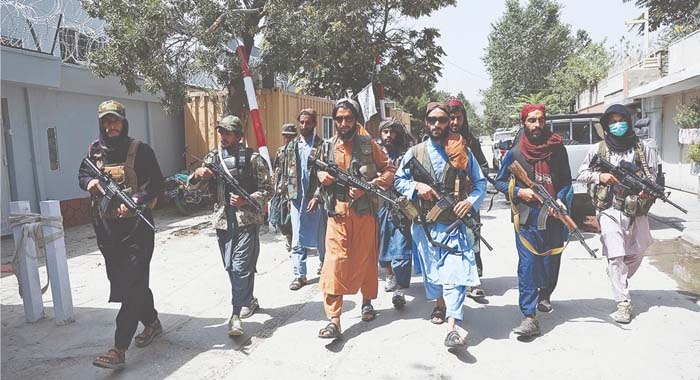
According to these reports, Afghanistan currently serves as a hub for over 20 international terrorist organizations, sheltering 13,000–23,000 foreign fighters, including more than 6,000 TTP militants. The findings also document ongoing Al-Qaeda leadership regrouping and the expansion of ISIL-K, alongside over 600 cross-border TTP attacks in Pakistan launched from Afghan soil, facilitated and sheltered by the Afghan Taliban.
“Pakistan questions what additional evidence UN human rights experts require,” said a senior Pakistani security analyst. “Do they expect Pakistan’s leadership to pose for photographs with TTP leaders such as Hafiz Gul Bahadar or Mufti Noor Wali Mehsud to validate the threat? The documentation already exists in official UN and international reports.”
The analyst further noted that questioning the credibility of UN institutions tasked with monitoring and reporting international security norms undermines global efforts to address cross-border terrorism. Pakistan emphasized that the evidence clearly demonstrates Afghanistan’s role in harboring militants and facilitating attacks, contributing to regional instability.
Pakistan reaffirmed its commitment to counterterrorism and to working with the international community to hold safe havens accountable while defending its territory and citizens against persistent cross-border threats.



