
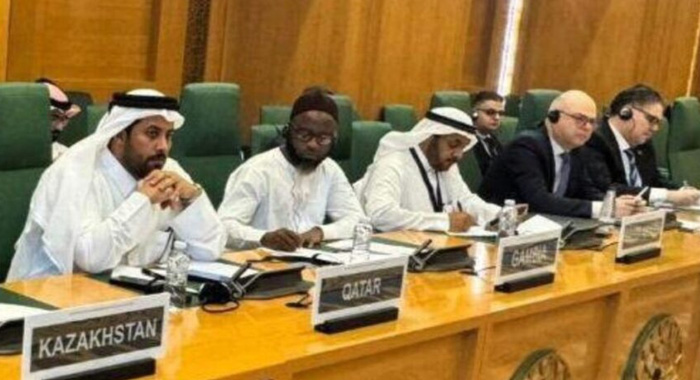
A high-level technical meeting of the Organisation of Islamic Cooperation (OIC) Ministerial Contact Group on Afghanistan was held in Jeddah on Saturday, spotlighting the deepening humanitarian, political, and social crises in the country under Taliban rule. Hosted by Saudi Arabia, the gathering underscored the urgent need for coordinated action among OIC member states in response to Afghanistan’s ongoing isolation and mounting domestic challenges.
In a statement issued following the meeting, Qatar’s Ministry of Foreign Affairs described Afghanistan’s current situation as “unique,” citing pressing humanitarian needs and severe social restrictions. The statement emphasized the necessity of a “collective and balanced approach” toward Afghanistan, alongside “responsible engagement” with the Taliban, within the principles and framework of the OIC.
“Afghanistan’s situation, particularly from the perspective of urgent humanitarian assistance, is unique,” the statement said. “This requires a collective and balanced approach, responsible engagement, and special consideration for the humanitarian conditions, in line with OIC principles and in support of the Afghan people.”
The meeting comes amid growing concerns over the Taliban’s policies, which have repeatedly rejected international and Islamic calls to reopen secondary schools and universities to women and girls an issue that has drawn condemnation from governments, international organizations, and human rights advocates worldwide. Analysts warn that such policies are deepening Afghanistan’s isolation, weakening prospects for long-term stability, and exacerbating the suffering of ordinary Afghans.
Afghanistan, though technically still a member of the OIC, has had its formal participation in the organization suspended since the Taliban returned to power in 2021. This suspension reflects the lack of international recognition for the Taliban administration and has limited Afghanistan’s engagement in major international and regional forums, including the United Nations General Assembly and OIC meetings.
Experts say that the combination of diplomatic isolation, domestic mismanagement, and restrictive social policies has intensified the country’s economic and social pressures, leaving millions of Afghans vulnerable to hunger, poverty, and political marginalization.
The Jeddah meeting, attended by senior representatives from OIC member states, sought to enhance coordination on humanitarian aid delivery, political engagement, and strategic support for the Afghan people while addressing the consequences of the Taliban’s defiance of international norms. Qatar, in particular, called for a pragmatic approach, urging member states to balance diplomatic engagement with humanitarian responsibility and adherence to OIC principles.
As Afghanistan continues to grapple with political exclusion, economic collapse, and social regression, the OIC’s focus on collective action reflects the growing urgency to address the country’s crises before they deepen further. Analysts warn that without sustained international attention and pressure, Afghanistan risks further descent into instability, isolation, and humanitarian catastrophe



