
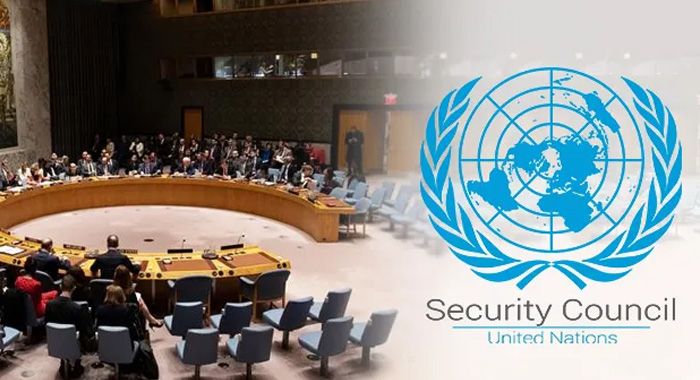
The United Nations Security Council is set to convene on Wednesday, 4 February, to review the rising threat posed by the Islamic State (ISIS) to international peace and security, amid growing concerns over the group’s expanding global footprint.
According to a report circulated to Security Council members on 31 January, UN Secretary-General António Guterres has warned that the overall threat from ISIS continues to escalate, underscoring the group’s evolving tactics, resilience, and capacity to exploit fragile security environments.
The report identifies Africa as a region of particular concern, noting a significant expansion in the activities and influence of ISIS and its affiliated groups across several countries. The growing operational reach of these networks has intensified instability, undermined governance, and exacerbated humanitarian challenges on the continent.
The document also draws attention to the persistent threat posed by ISIS-Khorasan (ISIS-K), describing it as a major and immediate security concern. According to the Secretary-General’s assessment, ISIS-K remains actively operational in northern Afghanistan and in areas along the country’s borders, creating serious risks for regional stability and international security.
The continued presence and operational capability of ISIS-K, the report notes, raise alarms about cross-border militancy, recruitment, and the potential for external attacks, highlighting the group’s ability to adapt despite counterterrorism pressure.
The upcoming Security Council meeting is expected to focus on these developments, assess existing counterterrorism efforts, and explore options to strengthen international coordination, intelligence sharing, and collective action against the evolving ISIS threat.
The discussions come at a critical time, as the international community faces the challenge of confronting a decentralized but persistent terrorist network that continues to exploit conflict zones and governance vacuums, posing a sustained threat to global peace and security.



