
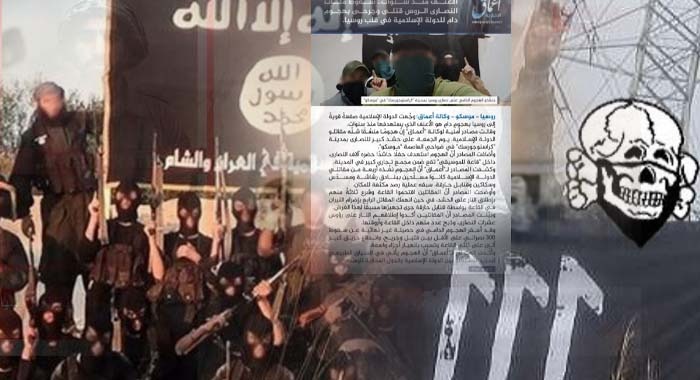
Militant groups increasingly release videos on social media, but a closer look reveals that these clips often reflect strategic messaging rather than operational success. Analysts say the primary aim is to create the illusion of strength while masking real weaknesses on the ground.
These videos tend to appear most prominently when groups fail to carry out major attacks or when their operational capacity is declining. In such cases, militants use online platforms to project influence and maintain the perception of presence among supporters.
Several key factors explain this pattern:
Covering Tactical Failures: Militants often use videos to divert attention from unsuccessful operations or diminished capabilities, presenting a façade of strength to keep morale among followers intact.
Countering Waning Public Support: In Pakistan, many extremist networks face a sharp drop in local support. Propaganda videos aim to instill fear and maintain influence despite this erosion of backing.
Pressure from Security Operations: Sustained counterterrorism measures have restricted militant movements and capabilities. These groups resort to online content to give the impression that they remain operationally active.
Responding to Regional and International Scrutiny: Following international questions about extremist elements in Afghanistan, some groups attempt to convey that their networks are widespread and not limited to specific areas, exaggerating their reach.
Experts note that such videos are primarily psychological tools, designed to create uncertainty, intimidation, and the appearance of power. Far from reflecting actual success, they underscore the growing impact of Pakistan’s counterterrorism operations, which have pushed militants into defensive and reactive modes.
In essence, these clips serve as a reminder that militant propaganda often aims to deceive observers, bolster internal morale, and spread fear, while security forces continue to disrupt their real-world operations across the country.



