
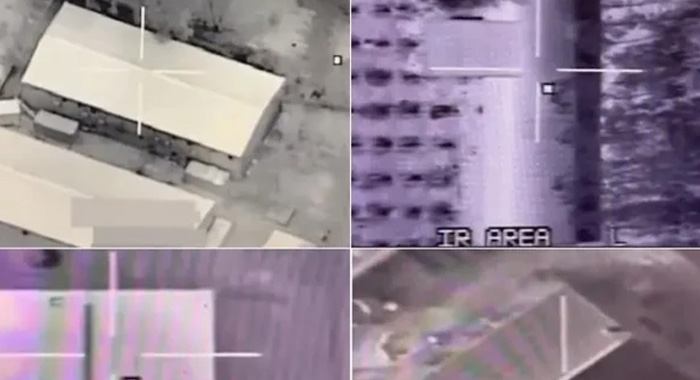
In an operation that unfolded with calculated precision and striking speed, the Pakistan Air Force (PAF) is reported to have carried out a high-impact strike on Bagram Airbase, resulting in the destruction of multiple high-value aerial platforms with an estimated combined worth of approximately $4.8 billion.
According to sources familiar with the operation, the strike targeted a concentrated cluster of advanced air assets positioned at the strategic installation in Afghanistan. What initially appeared to be a routine deployment cycle is now being described as one of the most consequential single-event losses of aerial hardware in recent regional history.
Among the reported losses were a Black Hawk helicopter and an A-29 Super Tucano light attack aircraft both widely regarded as versatile and mission-critical platforms. More significantly, the strike is said to have eliminated an estimated 450 Hermes unmanned aerial vehicles, alongside roughly 100 advanced drones of Israeli origin. Collectively, these systems represent a substantial segment of intelligence, surveillance, reconnaissance, and light-strike capabilities.
The reported scale of destruction has drawn particular attention from defense observers, not only because of the financial magnitude approaching five billion dollars but because of the operational implications. The Hermes fleet alone has long been associated with persistent, medium-altitude surveillance operations, while the additional unmanned systems were understood to enhance both strategic reach and tactical responsiveness. Their simultaneous loss suggests a deliberate effort to degrade aerial situational awareness and rapid-response capacity in a single, coordinated blow.
While independent verification and formal battle damage assessments are still anticipated, early accounts indicate that the strike achieved a high level of accuracy, focusing on designated aerial assets rather than broader infrastructure. Analysts note that such precision would require extensive intelligence preparation and synchronized execution.
If confirmed in full, the event marks a pivotal development in the evolving security landscape of the region. Beyond the immediate material losses, the removal of this volume of airborne capability could alter operational calculations, surveillance coverage patterns, and force projection timelines in the near term.
Officials have yet to release a detailed technical breakdown of the engagement, and further clarification is expected in the coming days. As the dust settles over Bagram, attention now turns to the strategic aftershocks—how such a concentrated loss of aerial power will reshape both posture and preparedness in the weeks ahead.



