
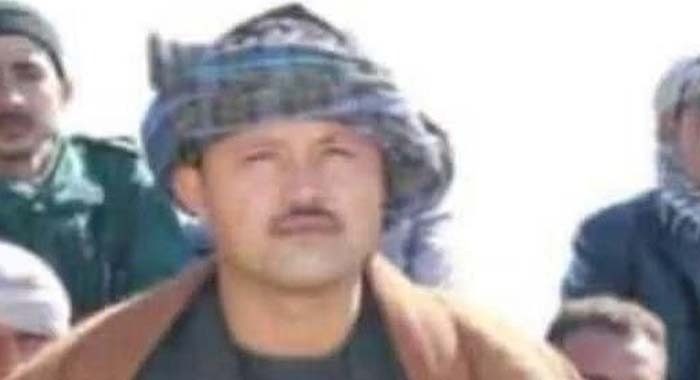
Afghanistan’s northern Jowzjan province witnessed another targeted killing on Thursday evening when Yusuf, a local commander of National Islamic Movement of Afghanistan, also known as Junbish-i Milli Islami Afghanistan, and a former close associate of Uzbek leader Abdul Rashid Dostum, was shot dead by unknown assailants, local sources said.
According to sources, Yusuf had recently returned to Afghanistan after being deported from Iran. Upon his return, he was detained by Taliban authorities and remained in custody for several weeks. He was released around two weeks ago after local elders intervened and arranged the payment of 800,000 Afghanis as surety. Despite his release, he was killed while returning from a wedding ceremony when unidentified gunmen opened fire on him. The attackers fled the scene, and no arrests have been reported so far.
The Taliban authorities have not issued any official statement regarding the killing.
Yusuf’s assassination comes amid a broader pattern of violence, arrests, and intimidation targeting former political, military, and security figures linked to the previous Afghan government. Throughout 2025 and into early 2026, Afghan and international reports documented repeated cases of former soldiers, police officers, intelligence officials, and political actors being detained, tortured, or killed despite Taliban claims of a general amnesty.
Earlier reports indicated that former commanders aligned with Junbish-i Milli and figures associated with Marshal Abdul Rashid Dostum have faced particular pressure in northern provinces, including Jowzjan, Faryab, and Balkh. Several such figures were killed in separate incidents, while others were detained during house raids or arrested shortly after returning from neighboring countries.
Afghan media investigations published in early January reported that more than 120 former military personnel were killed across multiple provinces during 2025, while dozens more were subjected to arbitrary detention and torture. The reports cited electric shocks, beatings with metal rods, and prolonged incommunicado detention in Taliban-run facilities. Families of victims were allegedly warned against speaking to the media.
International assessments have echoed these findings. United Nations reports confirmed cases of extrajudicial killings, enforced disappearances, and intimidation of former government personnel, along with ethnic targeting and repression of dissent. Despite repeated international calls, the Taliban leadership has continued to deny allegations of systematic reprisals.
Concerns have also grown over the safety of Afghan political and military figures living outside the country. In recent months, several former senior commanders were assassinated in neighboring states, prompting accusations by resistance figures and Afghan political leaders that Taliban intelligence is extending its reach beyond Afghanistan’s borders. The Taliban have rejected these accusations.
Yusuf’s killing has renewed fears among former officials and political figures, particularly those who had previously received assurances of safety or were released after mediation by local elders. Analysts warn that the continued targeting of former power holders risks deepening instability, discouraging returns, and further undermining trust in Taliban guarantees.



