
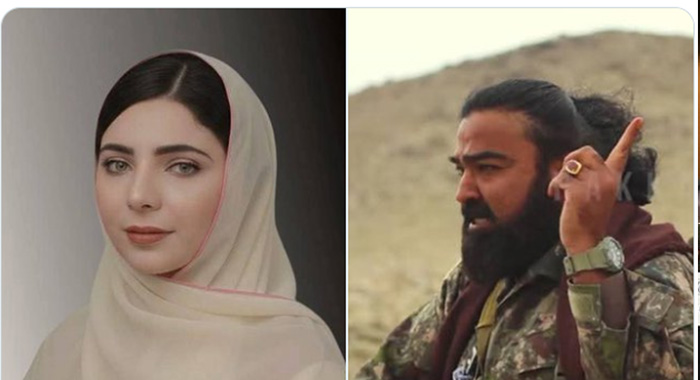
A series of allegations have emerged from unspecified sources concerning the activities of the Baloch Yekjehti Committee (BYC), a group that identifies itself as a human rights organization operating in Balochistan. The claims raise questions about the organization’s methods, public messaging, and alleged associations with proscribed militant groups, including the Baloch Liberation Army (BLA).
According to these sources, the BYC has been accused of employing what they describe as a “victim narrative” strategy in cases involving individuals reported as missing. The sources allege that such narratives are used to shape public perception and generate international attention, though these claims remain unverified by independent investigations.
The sources specifically reference the case of an individual identified as Farzana Zahri, also known as Laiba, who hails from Khuzdar. They state that her name first came into public attention on December 1, 2025, when the BYC alleged that she had been abducted by Pakistani state institutions. However, the same sources claim that subsequent information contradicts this narrative, alleging that she was present in mountainous areas during that period. These assertions have not been independently confirmed.
Further claims made by the sources suggest that during her time in those areas, individuals allegedly associated with militant networks were involved in influencing or training her. The sources name an individual described as a former commander of Tehrik-i-Taliban Pakistan (TTP), identified as Ibrahim, who is alleged to have provided training related to suicide attacks. Additionally, another individual identified as Saim Jan, also referred to as Dil Jan and described as a commander of the BLA, is alleged to have acted as her handler. These claims remain unverified and have not been substantiated through independent evidence.
The sources further allege that the BYC has previously adopted a pattern of labeling individuals as “missing” when they reportedly travel toward mountainous regions or areas where militant groups are believed to be active. According to these claims, such labeling is used to create public pressure and, in some cases, to challenge official narratives if the individuals are later encountered by authorities. These assertions are presented by the sources as part of a broader alleged strategy, but have not been independently corroborated.
It is also alleged that a central figure within the BYC, identified as Dr. Sabiha, played a role in influencing or encouraging Farzana Zahri’s involvement with militant networks. This claim, like others in the report, remains unverified and is based solely on the accounts provided by the unnamed sources.
The sources argue that such developments raise broader concerns within Balochistan, where issues of human rights, missing persons, security operations, and militancy intersect. They suggest that the alleged use of civilian narratives for political or operational purposes could have implications for both public trust and regional stability.
At present, none of the claims outlined above have been independently verified, and no official confirmations have been provided in support of the allegations. The situation highlights the need for transparent, evidence-based investigations by relevant authorities to determine the accuracy of the claims and ensure accountability where required.



