
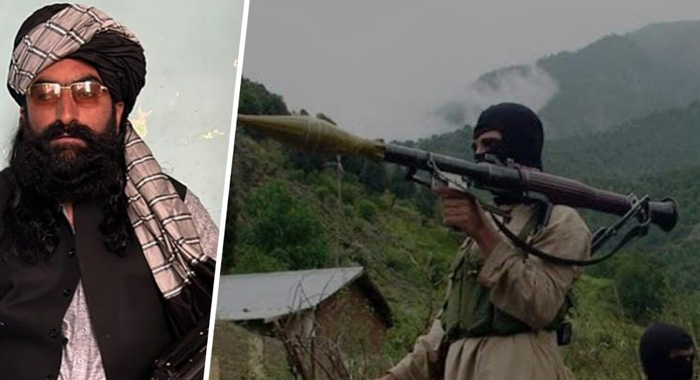
A recently surfaced audio recording of a speech by Mufti Borjan Yousafzai, Deputy Emir of Tehreek-e-Taliban Pakistan (TTP), has revealed escalating tensions within the organization, specifically between the central TTP leadership under Mufti Noor Wali Mehsud and the Jamaat-ul-Ahrar faction.
In the recording, Mufti Borjan issued a stern directive prohibiting members from breaking away, forming splinter groups, or establishing parallel structures. The directive explicitly warned that any violation would be met with the death penalty. The fatwa named Jamaat-ul-Ahrar directly, labeling the faction as extremist and seditious, and rejected any form of independent activity.
The directive comes amid growing internal discord. Jamaat-ul-Ahrar previously accused Mufti Noor Wali Mehsud of orchestrating the killing of Khalid Khorasani, one of the founding leaders of TTP, further intensifying the dispute between the two factions. The audio recording underscores not only the ideological and operational rifts within the TTP but also reflects the measures being taken by the central leadership to assert authority and maintain organizational cohesion.
Experts on militant networks highlight that such internal divisions can have broader implications for the operational dynamics of TTP, potentially affecting its strategies, recruitment, and regional influence. The fatwa and its enforcement represent a decisive attempt by the leadership to suppress dissent and consolidate control, particularly in light of allegations of splinter activities by Jamaat-ul-Ahrar.
The TTP’s internal conflicts, now made public through this recording, provide critical insight into the ongoing power struggle within one of Pakistan’s most significant militant organizations. Analysts warn that such rifts could lead to unpredictable behavior, increased factional violence, or shifts in the group’s operational priorities.
Authorities and security analysts continue to monitor developments closely, emphasizing that the evolving internal dynamics within TTP could have direct implications for counterterrorism efforts and regional security. The release of this audio highlights both the volatility of militant structures and the importance of understanding internal factional disputes in addressing terrorism-related threats.



