
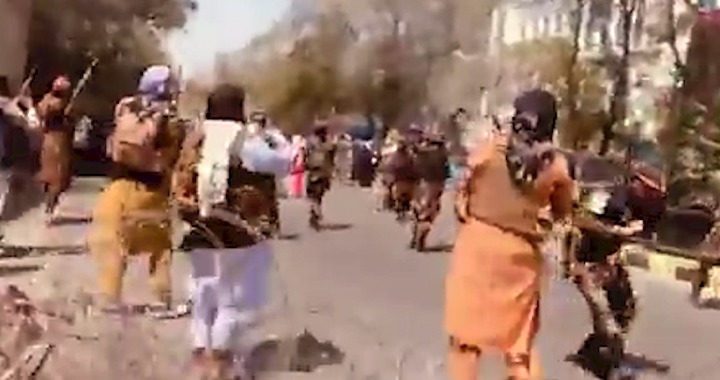
Armed clashes between rival Taliban factions and local groups have intensified across multiple Afghan provinces, with confirmed fighting in Badakhshan and Nangarhar highlighting a widening internal crisis within the Kabul interim administration.
In Badakhshan, months of tension have escalated into open confrontation after a Taliban commander appointed by the supreme leader refused to relinquish control following a routine transfer order. Despite the appointment of a replacement by Sheikh Hibatullah Akhundzada, the commander has remained entrenched, backed by armed loyalists and segments of the local population.
Local sources say the dispute is no longer limited to internal Taliban command structures but has expanded into a broader conflict involving residents who oppose Taliban control over resources and local governance. Reports indicate exchanges of fire between Taliban units and local armed groups in several districts, though casualty figures remain unconfirmed. Observers familiar with the region say casualties on both sides are likely.
Badakhshan has seen repeated unrest in recent years, particularly linked to disputes over natural resources and economic survival. The province’s mineral wealth, especially gold deposits, has become a recurring trigger for armed confrontation, exposing deep fractures within Taliban ranks and growing resentment among local communities.
Meanwhile, fresh violence has been reported in Nangarhar province, where armed clashes erupted in Jalalabad after Kandahari Taliban forces attempted to take control of an airstrip. Local Taliban units resisted the move, leading to gun battles that reportedly caused casualties. Exact figures have not been independently verified.
Security sources describe the Nangarhar incident as part of a broader pattern of internal power struggles, where regional Taliban factions increasingly challenge central authority and rival groups attempt to assert control over strategic infrastructure.
Analysts warn that these incidents reflect a dangerous erosion of command and control within the Taliban structure. What were once internal disagreements are now manifesting as armed confrontations, raising serious concerns for Afghanistan’s internal stability and regional security.
The Taliban leadership in Kabul has not issued any official statement on the clashes in either province.



