
The persistent threat of terrorism and narcotics trafficking originating from Afghanistan continues to pose a serious challenge to regional peace, security, and socio-economic stability, according to recent reports and security assessments from Central Asian authorities and international media.
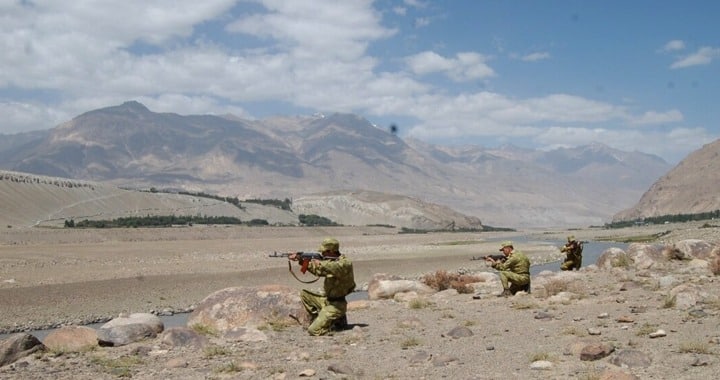
Citing coverage by The Times of Central Asia, security officials in Tajikistan confirmed that two Afghan drug traffickers were killed during an operation along the border with Afghanistan after attempting to illegally cross into Tajik territory. The operation took place in the Farkhor district, where border security forces engaged individuals suspected of smuggling illicit narcotics across the frontier.
Authorities stated that a total of approximately 25 kilograms of narcotics were recovered from the deceased suspects during the operation, underscoring the scale and operational nature of cross-border drug trafficking networks active in the region.
Security sources indicated that the suspects attempted to forcibly cross the border, prompting a response from Tajik border forces, which resulted in their neutralization. The incident highlights ongoing concerns regarding the use of Afghanistan’s border regions as transit routes for organized criminal activity.
Regional governments across Central Asia have repeatedly expressed concern over the deteriorating security environment in Afghanistan, particularly the convergence of militant activity, organized crime, and narcotics trafficking. Officials warn that such networks not only threaten border integrity but also undermine public health, economic stability, and long-term regional development.
Experts note that repeated incidents involving Afghan-based criminal elements operating across neighboring borders point to a broader pattern of instability. Analysts argue that the inability to effectively curb such transnational criminal networks raises serious questions about governance and enforcement capacity in areas under militant influence.
Security observers further emphasize that continued infiltration by armed traffickers and extremist-linked networks into neighboring states reflects a growing regional security burden. These activities, they say, place significant strain on border management systems and increase the risk of wider destabilization if left unaddressed.
Regional stakeholders have reiterated the need for enhanced intelligence sharing, coordinated border security mechanisms, and sustained international engagement to address the interconnected threats of terrorism and narcotics trafficking emanating from Afghan territory.
Authorities across Central Asia have consistently classified the situation as a long-term security concern, warning that the ongoing instability in Afghanistan continues to have direct and indirect consequences for neighboring countries.



