
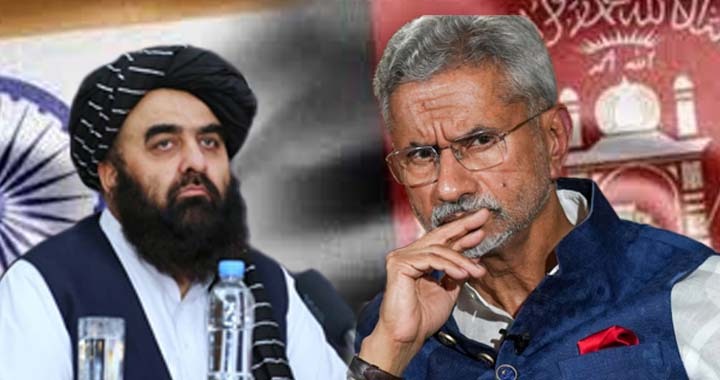
India’s expanding engagement with Afghanistan together with Kabul’s increasingly hard line policies has triggered serious global concern, as evidence mounts that Afghan soil is being used to fuel militancy across the region. International worries have deepened after a series of recent terror incidents linked to Afghanistan, including attacks in Pakistan, a shooting in the United States and a drone strike targeting Chinese workers in Tajikistan.
Pakistan has repeatedly warned that Afghanistan is serving as a safe haven for terrorist groups. The European Union, Denmark and several other countries have similarly identified extremist networks operating from inside Afghanistan as a growing threat to regional and global security. United Nations and Security Council assessments also confirm that the Afghan Taliban administration continues to provide sanctuary to militant organisations, creating severe risks for regional stability.
Despite these warnings, India is strengthening its ties with Kabul. In October 2025 Afghan Foreign Minister Amir Khan Muttaqi visited New Delhi and signed a series of agreements. The visit coincided with an episode of unprovoked aggression against Pakistan from Afghan territory. According to the South China Morning Post, India and Afghanistan plan to station commercial representatives at each other’s embassies, a development that has further complicated South Asia’s political landscape.
Reports indicate that India views Afghanistan’s militant landscape as a strategic advantage, treating the presence and activity of extremist elements as part of a broader geopolitical calculation. Analysts suggest that the deepening relationship is aimed at using Afghanistan as a proxy platform against Pakistan.



