
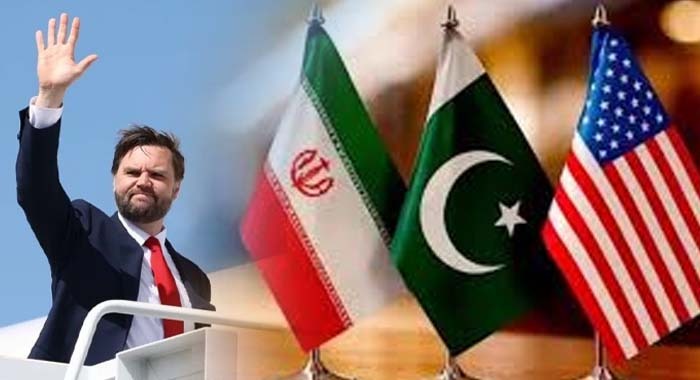
High stakes talks between the United States and Iran are set to take place in Islamabad, with both sides signaling willingness to engage, yet shadowed by deep-rooted mistrust that could shape the outcome.
JD Vance has departed from Maryland to lead the American delegation, expressing cautious optimism ahead of the talks. Speaking before leaving, he said the engagement is being conducted under the guidance of Donald Trump and voiced confidence that discussions with Iran could yield positive results.
He stated that if Iranian leadership demonstrates sincerity, the United States would be ready to move forward constructively. However, he warned that any attempt at deception or lack of seriousness would be met with a firm response from the American side.
The US delegation includes Steve Witkoff and Jared Kushner, while the Iranian side is expected to be represented by Abbas Araghchi and Mohammad Bagher Ghalibaf. The talks are being hosted by Pakistan as part of efforts to ease regional tensions.
Iran Questions US Intentions Ahead of Talks
On the other side, Mohammad Reza Aref confirmed that Iran will participate actively in the Islamabad dialogue but cautioned that serious doubts remain due to what he described as America’s “deceptive nature.”
He acknowledged Pakistan’s role in facilitating diplomatic engagement and appreciated efforts aimed at reducing tensions, including attempts to enable temporary ceasefires in the region.
The Iranian vice president said Tehran would enter the talks with full authority, aiming to translate what he described as military gains into diplomatic leverage. He added that recent developments have reshaped strategic calculations at both regional and global levels, claiming that Iran had defied adversaries’ expectations during weeks of conflict.
He also described public mobilization within Iran as a form of soft power, reinforcing the country’s position on both political and security fronts.
Diplomacy Between Caution and Calculation
As both sides arrive in Islamabad, the talks reflect a delicate balancing act between opportunity and skepticism. While Washington signals openness to progress, Tehran’s statements underscore a persistent trust deficit.
With Pakistan facilitating the dialogue, the coming engagement will test whether cautious optimism can overcome entrenched suspicion, or whether competing narratives will once again limit the scope for meaningful breakthrough.



