
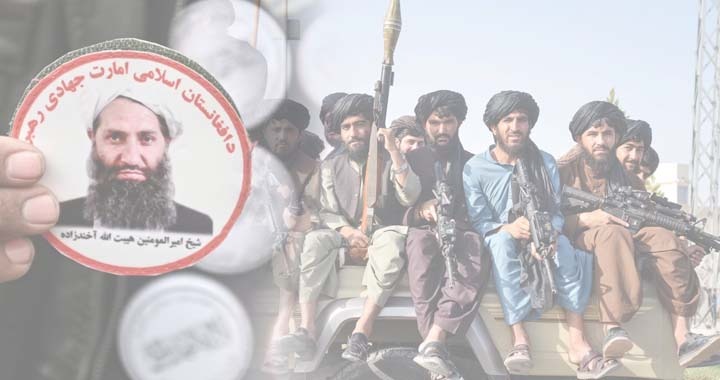
Signs of growing division and distrust within the Taliban have emerged, with senior figures warning that internal discord could threaten the group’s hold on power.
Neda Mohammad Nadeem, the Taliban’s minister of higher education and a close aide to leader Hibatullah Akhundzada, spoke on Tuesday at the Taliban’s central jihadist madrassa in Kabul, cautioning members about rising “distrust” and “discord” in the ranks. He urged fighters and officials to remain loyal to leadership and warned against being influenced by what he described as “enemy propaganda” aimed at sowing division.
“The survival of our administration depends on unity,” Nadeem said, emphasising obedience to Akhundzada and adherence to the Taliban hierarchy. He highlighted the risk that internal disagreements and a widening gap between authorities and the population could weaken the administration.
Nadeem’s comments follow recent criticism from Sirajuddin Haqqani, the interior minister, who publicly denounced the Taliban’s approach toward governance. Speaking in Khost province, Haqqani acknowledged that the Taliban relies on fear, intimidation, and coercion to rule, saying, “A government that rules people only through intimidation is not a government. Between the people and a good government, there must be a bond of affection and trust.”
In a related development, Taliban supreme leader Hibatullah Akhundzada addressed officials at a seminar in Kandahar on 16 December, warning against negligence, arbitrary conduct, and internal discord. According to his deputy spokesperson Hamdullah Fitrat, Akhundzada urged members to respect their limits and responsibilities, act in accordance with Sharia law, and avoid discrimination between rich and poor.
Akhundzada also instructed officials to ensure proper treatment of prisoners, warning against torture or punishment without a court order and emphasising access to education for detainees. Although he did not name individuals, his remarks were widely seen as a response to Haqqani’s public criticism of the Taliban’s governance style.
Observers say these public warnings highlight a rare display of internal tension within the Taliban, where loyalty to leadership is being repeatedly emphasised amid growing discontent among some members over governance methods and relations with the population.
Human rights organisations have long criticised the Taliban for arbitrary arrests, mistreatment of detainees, and repression of journalists and activists, noting that such practices contribute to widening resentment among the Afghan population.
With repeated admonitions from both Nadeem and Akhundzada, the Taliban leadership appears focused on containing internal divisions and reinforcing cohesion, even as public dissatisfaction and criticism from senior officials expose cracks in the group’s internal discipline.



