
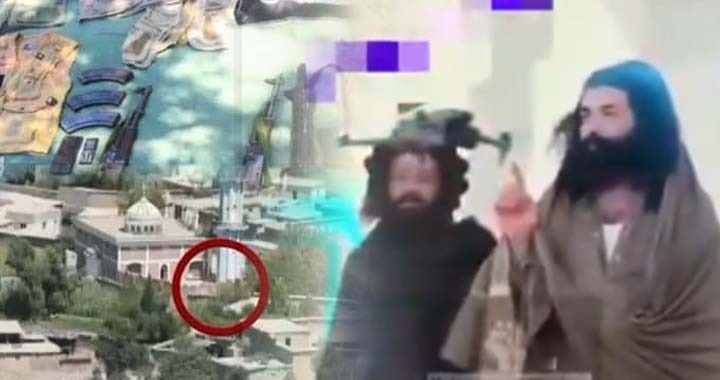
The use of mosques by terrorist groups as shelters, operational hubs, or logistical safe houses is not only a grave security threat but a clear violation of Islamic principles. Islam defines the mosque as a space for worship, peace, unity, and moral reform, not as a venue for violence, coercion, or armed rebellion.
Islamic history offers an unambiguous precedent in the case of Masjid al-Dirar. During the lifetime of Prophet Muhammad (peace be upon him), hypocrites constructed a mosque near Masjid Quba with the hidden purpose of creating division among Muslims and providing cover for those already engaged in hostilities against Islam. Upon divine revelation, the Prophet ordered the mosque to be demolished, establishing a decisive principle that a structure labeled as a mosque loses its sanctity when it becomes a tool of fitna and subversion.
The Qur’an addresses this explicitly in Surah At-Tawbah (9:107), exposing those who misuse religious symbols under the guise of piety while serving hostile and destructive agendas.
Prophetic traditions further reinforce the sanctity and security of mosques. The Prophet warned of a time when individuals would occupy mosques while spreading disorder, noise, and worldly disputes, distancing such behavior from divine approval. More critically, he explicitly prohibited bringing weapons into mosques, instructing believers to secure even the tip of an arrow to prevent harm to others. If Islam mandates such caution to avoid accidental injury, the deliberate storage and use of weapons inside mosques represents a far greater transgression.
Mainstream Islamic scholarship is clear on this point. Using mosques for violent activity, harboring militants, or facilitating terrorism is haram. Elements that desecrate mosques for violent purposes forfeit any religious legitimacy and place themselves outside the moral framework of Islam.
Clearing mosques of terrorists and exposing their facilitators is therefore not an attack on religion but a defense of it. This responsibility rests collectively on the state, religious leadership, and society at large. Counterterrorism is not confined to kinetic operations alone; it is equally a battle of narratives.
Mosques cannot be allowed to serve as shields for terror. Islam, worship, and peace are inseparable, and anyone who turns a mosque into an instrument of violence stands in opposition to all three.



