
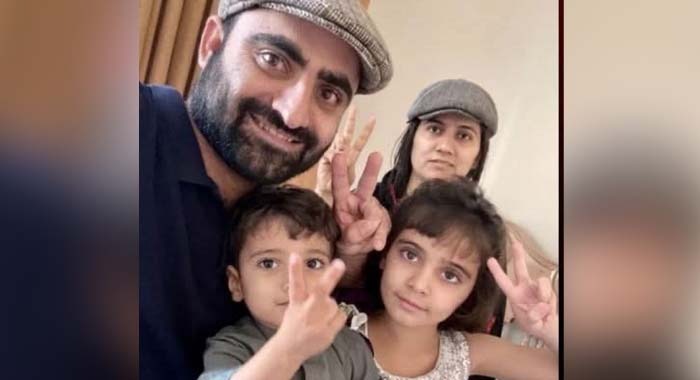
Shari, the suicide bomber linked to the banned Balochistan Liberation Army (BLA), was not a girl broken by deprivation, a destroyed household, or hunger. She was an educated woman, a schoolteacher with multiple academic degrees, a mother of two young children, and the wife of a dentist. She lived with her family in Karachi.
So, why did Shari carry out a suicide attack?
Experts suggest that some extremist groups present their so-called “cause” as sacred, convincing individuals that their personal life is insignificant. They instill the belief that a person is special, historic, and destined for sacrifice. Even educated minds, capable of logical thought, can be drawn in by this “sweet poison,” because education may give degrees but does not automatically protect emotions.
Another factor is modern brainwashing, which does not only happen in remote camps but also on screens. Emotional videos, curated stories, glorified images of “heroes,” and narratives of “us versus them” can profoundly alter someone’s psychology. In Shari’s case, despite her home, children, and daily joys, these influences gradually disconnected her from ordinary life, fueling grief and anger that eventually manifested in extremism.
Shari’s story is a stark reminder of how sophisticated propaganda can target even educated, socially stable individuals, reshaping their identity and perception of the world.



