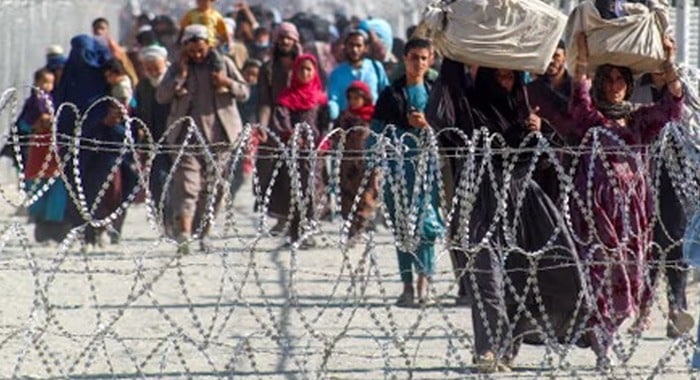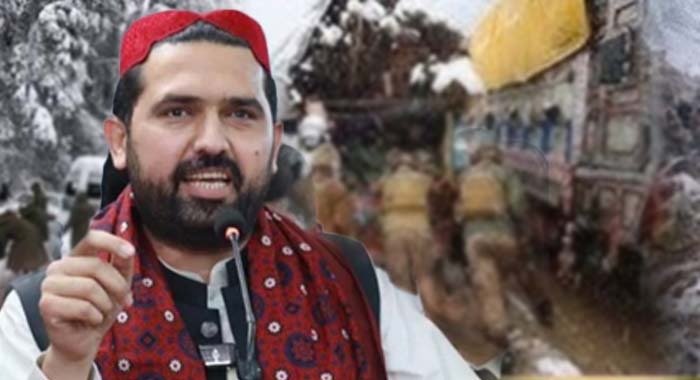
Tirah Valley, in Khyber district bordering Afghanistan, has for centuries been a strategic corridor — a gateway for trade, invasions, and cultural exchange. Today, it is at the heart of a humanitarian and governance crisis. Families displaced by insecurity are enduring days-long journeys to Peshawar, facing relentless rain, bitter cold, and a lack of food, water, shelter, sanitation, or medical care.
Administrative Negligence Leaves Families Exposed
A Shinwari elder from Landi Kotal described the situation as a consequence of administrative negligence and poor planning. “Families who should reach Peshawar in four hours are stranded for three to four days on the road,” he said. “Children, women, and the elderly are exposed to harsh weather while the chief minister attends a funeral in Karachi.”
The elder criticized the KP government and Chief Minister Sohail Afridi for prioritizing political appearances over urgent humanitarian needs. “Funds were released by the provincial cabinet, but where have they gone?” he asked. “Why are families left to fend for themselves, humiliated and exhausted?” Local political groups, including ANP and JI, have stepped in to provide emergency aid — distributing food, water, and clothing — highlighting the vacuum left by the provincial government.
Security and State Institutions: Tribal Loyalty Amid Neglect
While civil administration struggles, the Pakistan Army remains a stabilizing force in the region. An elderly Zakha Khel Afridi from Tirah emphasized tribal loyalty to the state, noting: “Afridis know clearly that peace, stability, and survival are tied to the Pakistan Army. Wherever the army stands with the people, there is security, dignity, and brotherhood.”
His remarks underscore a critical point: the crisis is not due to disloyalty but to administrative and political failures. The civil government’s inaction contrasts sharply with the military’s role in ensuring local stability.
KP Government Under Fire for Double Standards
Malik Nisar Haleemzai of Mohmand offered a wider critique of KP authorities, placing Tirah’s crisis in the context of long-standing governance failures. He accused Chief Minister Afridi and the provincial government of inconsistent policies, double standards, and selective enforcement.
“The government treats the region as stable when political or economic interests are involved, but denies essential services when it comes to education, healthcare, or administrative support,” Malik Nisar said. He further criticized Afridi’s indecisiveness, pointing out that approvals are granted in one instance and rejected in another, eroding trust and undermining effective governance.
The Collapse of Traditional Governance
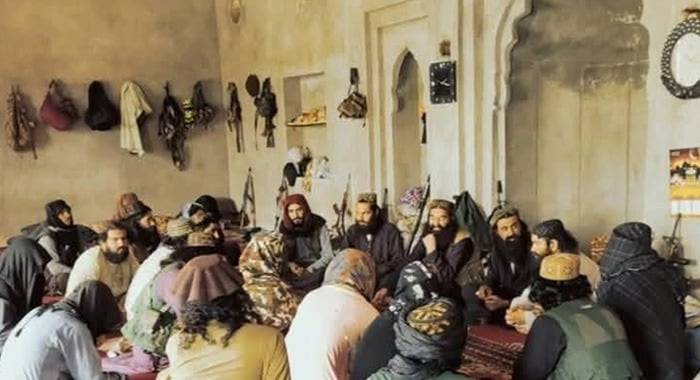
Post-merger administrative reforms have significantly weakened jirgas, once central to local dispute resolution and law enforcement. Malik Nisar observed that without legal recognition or enforcement support, these institutions have become ceremonial, leaving disputes unresolved and communities vulnerable. “Jirgas previously played a decisive role in peacebuilding.
Now, deprived of power, they are mostly a ceremonial activity that wastes time and resources,” he said. This institutional weakening exacerbates insecurity in a region already threatened by militant spillover from Afghanistan, smuggling networks, and criminal actors.
Historical Context: A Strategic Corridor at Risk
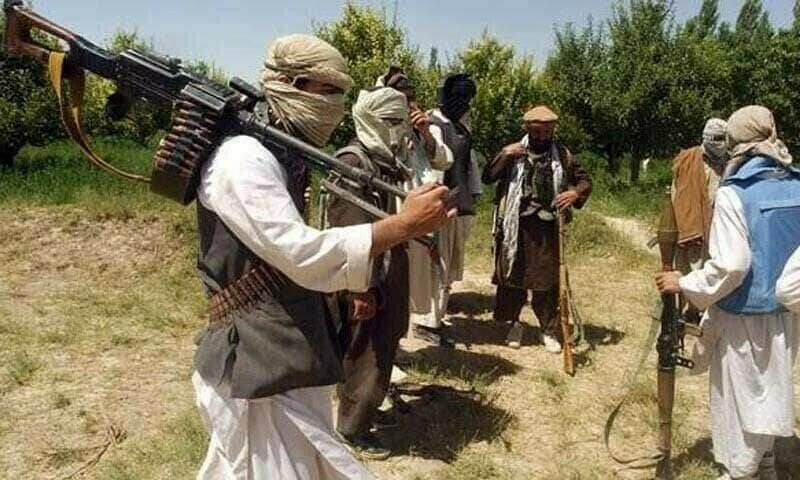
Tirah’s geographical position amplifies the stakes. Located along the Khyber Pass, the valley has historically served as a gateway to South Asia. Today, it is vulnerable to terrorist spillover, criminal activity, and political neglect. Tribal leaders argue that KP authorities have jeopardized peace efforts through lax enforcement, flawed policies, and bureaucratic delays, leaving communities exposed to both humanitarian and security threats.
The Humanitarian Toll
Families stranded for days face life-threatening conditions. Children have reportedly died due to cold exposure. Elderly residents suffer from exhaustion and illness. The Shinwari elder highlighted the human cost: “Three to four days on the road for families who should reach Peshawar in hours — how long will they be humiliated and exposed?”
Relief, when delivered, is ad hoc, dependent on local political groups rather than a structured government response. Tribal communities continue to rely on self-organized efforts to survive.
Long-Term Consequences of Governance
Failures Malik Nisar emphasized that the crisis is part of a broader pattern of neglect, including targeted killings of tribal elders, weak law enforcement, and inconsistent policy implementation. Despite autonomy granted under the 18th Amendment, KP authorities have failed to exercise their powers to protect citizens or ensure governance.
“For over a decade, tribal elders have been martyred, and the government has failed to protect communities despite the legal mandate and resources,” he said. This selective governance undermines trust, fuels grievances, and threatens both regional stability and humanitarian safety.
Community Resilience Amid Neglect
Despite failures at the provincial level, tribal communities continue to demonstrate resilience. Local political organizations and community-led initiatives have stepped in to provide essential aid, illustrating the community’s ability to self-organize in the absence of effective state intervention.
At the same time, voices like the Zakha Khel Afridi reiterate that peace is tied to the presence of security forces, showing that while civil governance is failing, the state’s security apparatus remains critical for stability.
Urgent Call for Action
The crisis in Tirah Valley reflects a multi-layered governance failure: administrative neglect, political prioritization over humanitarian need, weakened local governance, and long-term underinvestment in security and infrastructure. Tribal leaders call for: Immediate humanitarian relief, including shelter, food, water, sanitation, and medical care Restoration of government writ and law enforcement across the region Re-empowerment of traditional jirgas for dispute resolution and peacebuilding Consistent, accountable policies from KP authorities to prevent future crises
“Whether through negotiation, administrative reform, or enforcement, the provincial government must restore peace and services to the tribal belt now,” Malik Nisar said. Without urgent, decisive action, both humanitarian and security crises will deepen, leaving families exposed and the region increasingly vulnerable to further destabilization.
The combined voices of Shinwari, Zakha Khel Afridi, and Malik Nisar Haleemzai make one point clear: the people of Tirah remain loyal to the state, yet they continue to bear the consequences of administrative inefficiency, selective governance, and political negligence.
The region’s stability, human welfare, and faith in civil administration all hinge on decisive action by the provincial government. For the families stranded on Tirah’s roads, time is critical — every day lost is a life at risk, every delay a deepening of despair. Unless KP authorities act decisively, the humanitarian and security crises will persist, undermining decades of peacebuilding and threatening the lives and livelihoods of thousands of residents in the tribal belt.