
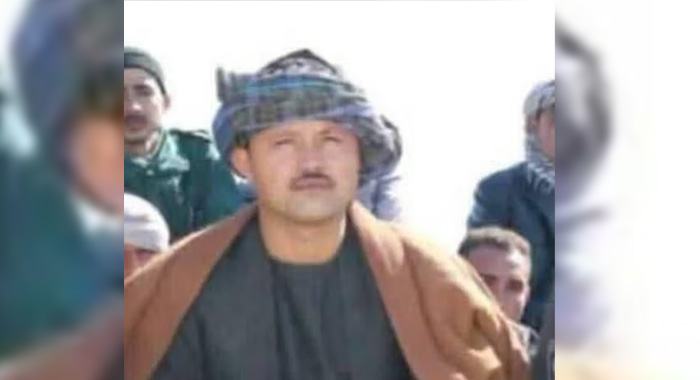
A local commander affiliated with the National Islamic Movement Party of Afghanistan (NIMA) was shot dead by unidentified gunmen in northern Afghanistan, following his recent deportation from Iran, the party’s spokesperson confirmed on Thursday.
According to Ehsan Niro, the commander, known as Yousuf, was killed on the night of January 7 while returning home from a wedding ceremony in Khwaja Du Koh district. Niro attributed the killing to Taliban forces, highlighting the growing threats faced by former government personnel across northern Afghanistan.
Yousuf had a long history of service as a local commander in the former Afghan government’s public uprising forces and was a loyal supporter of Abdul Rashid Dostum, the leader of the National Islamic Movement Party. He participated in numerous security operations prior to the Taliban’s return to power in August 2021.
Following the Taliban takeover, Yousuf fled to Iran to escape persecution. However, he was deported back to Afghanistan two months ago and subsequently detained by the Taliban upon his return. After approximately six weeks in custody, he was released following mediation by local elders and the payment of 800,000 afghanis as bail.
This assassination mirrors a similar incident last year, when Ezzatullah, another commander affiliated with NIMA, was shot dead in Sar-e Pol province one day after being deported from Iran. Investigative reporting by Afghanistan International has documented multiple cases in which former Afghan government military personnel have been killed, tortured, or subjected to ill-treatment following deportation from Iran and detention by the Taliban.
The National Islamic Movement Party has condemned the killing, warning that such targeted attacks undermine regional stability and continue a pattern of extrajudicial violence against former government officials. Taliban officials have yet to comment on the incident.
The party and local communities call on international observers and human rights organizations to urgently monitor the security situation for former Afghan government personnel and to press for accountability and protection for individuals at risk.
This killing underscores ongoing security concerns in northern Afghanistan, particularly for those who served in the former government, and highlights the need for concerted efforts to prevent further extrajudicial killings, protect human rights, and ensure the safety of vulnerable populations.



