
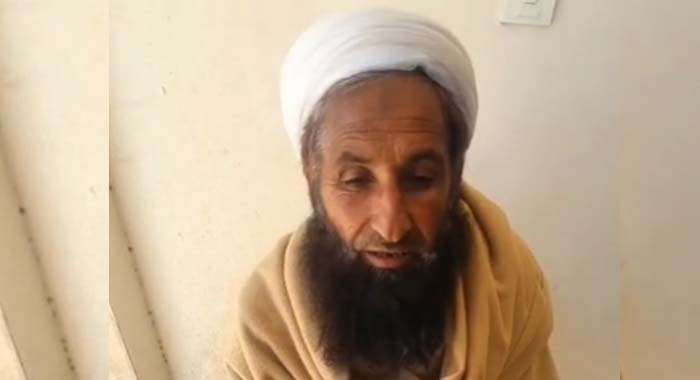
In a powerful and deeply symbolic statement against extremism, a resident of North Waziristan has publicly reaffirmed his loyalty to the state after distancing himself from his son who had joined an outlawed militant organization.
Muhammad Ayaz, a resident of North Waziristan, had earlier severed all ties with his son, Razaullah, following his reported involvement with Fitna al-Khawarij, a proscribed extremist group. According to local sources, Ayaz had made it clear that he would not support or maintain relations with any individual engaged in activities against the state.
Even after the reported death of his son, Muhammad Ayaz maintained his principled stance, reiterating that his allegiance remains firmly with his country and its institutions. He emphasized that safeguarding the state and upholding its laws and values take precedence over personal or familial affiliations.
Community members describe the father’s position as a strong moral statement reflecting a broader societal rejection of violent extremism. Observers note that such declarations underscore a growing awareness among families and communities that extremist ideologies bring not only legal consequences but also social isolation and long-term hardship.
The case highlights the broader reality that individuals who pursue violent paths risk alienating themselves not only from the state but also from their own families and communities. Analysts suggest that public rejection of extremist involvement by family members sends a powerful message to vulnerable youth who may be susceptible to radical narratives.
Security officials have consistently stressed that extremist groups exploit young individuals through misinformation and propaganda, ultimately leading them toward destruction and social exclusion. The message conveyed through this incident serves as a cautionary example: choosing the path of violence results in reputational damage, social rejection, and irreversible loss.
Authorities continue to encourage families and communities to play an active role in preventing radicalization by promoting education, dialogue, and lawful civic engagement.



