
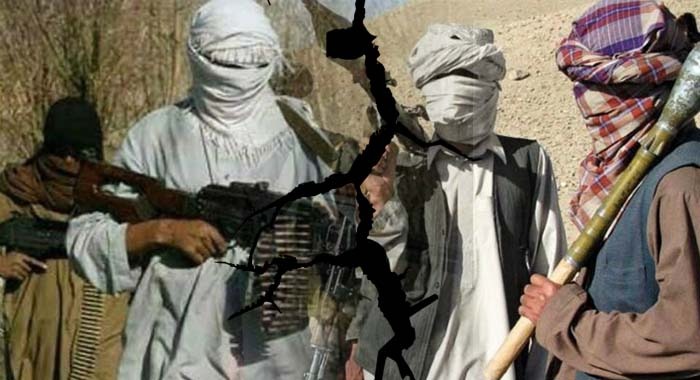
Recent intelligence and media reports indicate that Tehrik-i-Taliban Pakistan (TTP), also known as Fitna al-Khawarij, is experiencing severe internal discord, reflecting growing divisions and a crisis of leadership within the group. Separate high-level meetings were held in Kabul and Paktika in early January 2026, underscoring the organizational fragmentation.
On 2–3 January, the TTP’s Executive Council convened a critical meeting in a highly secure government guesthouse in the sensitive Wazir Akbar Khan district of Kabul, chaired by the faction leader Nur Wali Mehsud. Sources report that extraordinary security measures were implemented, including multiple changes of venue and strict operational precautions, reflecting the growing distrust among senior leadership.
The Kabul meeting reportedly aimed to address internal coordination and strategic planning, but the extraordinary security protocols indicate that the organization is grappling with internal suspicion and instability. Meanwhile, a separate meeting of the Jaamat-ul-Ahrar faction was held in Barmal district, Paktika province, attended by key commanders including Khorasani and Sarbakaf Mehsud. Sources indicate that Jaamat-ul-Ahrar was formally excluded from the TTP’s organizational structure and deliberately separated from the Executive Council’s decision-making processes.
The exclusion follows a series of internal disputes, including leadership decisions made by Noor Wali Mehsud against members of Jaamat-ul-Ahrar for violations of organizational rules. Past incidents illustrate this tension: in 2022, the Hafiz Gul Bahadur group reportedly killed Jaamat-ul-Ahrar commander Khorasani in Afghanistan, highlighting an ongoing pattern of factional violence.
Further intensifying the internal strife, Atiqur Rahman alias Tipu Gul Marwat, a senior Jaamat-ul-Ahrar commander in Kunar province, was reportedly poisoned during a gathering, following directives issued by Nur Wali Mehsud. These targeted killings underscore the severity of internal mistrust and leadership challenges. The infighting is not confined to Afghanistan. In Pakistan’s Waziristan and Mohmand regions, similar factional conflicts have been reported, with TTP factions operating against one another.
Analysts suggest that the ongoing disputes, mutual distrust, and violent confrontations within TTP indicate that the organization is no longer functioning as a cohesive, unified militant force. Instead, it is increasingly marked by fragmentation, leadership crises, and internal instability, which may impact its operational capabilities and regional influence.
The current situation within TTP/Fitna al-Khawarij demonstrates that internal divisions and factional rivalries have significantly weakened the group’s organizational cohesion. Continued monitoring of leadership disputes, factional realignments, and targeted internal violence is critical for assessing the group’s future threat potential in Afghanistan and Pakistan.



