
Pakistan’s recent air operations along the Pak-Afghan border and inside Afghanistan have significantly reduced cross-border attacks and disrupted militant infrastructure, marking a notable shift in the regional security environment.
The primary objective of the campaign curbing cross-border militancy appears to have been largely achieved, with a visible decline in attacks inside Pakistan following the strikes. By targeting militant hideouts, weapons depots, logistical hubs, and drone facilities, the operations have substantially degraded the operational and planning capabilities of hostile elements.
Unlike the period of US military presence in Afghanistan when militant networks largely operated covertly, the current structure under the Afghan Taliban’s interim administration is more visible and organized, making such installations more susceptible to precision targeting. The absence of a strong or effective response from Afghan authorities reflects limitations in governance and territorial control.
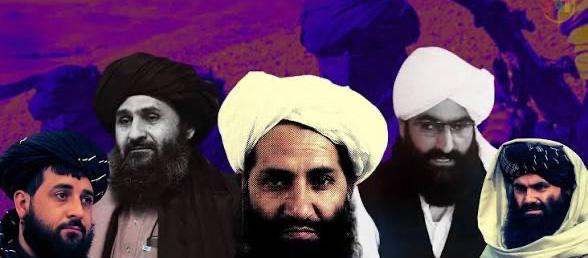
The sustained airstrikes and resulting losses have placed the Taliban leadership under increasing pressure. This vulnerability has been exploited by opposition groups, including the National Resistance Front and the Afghanistan Freedom Front, which have intensified activities across multiple regions such as Kunduz, Herat, Panjshir, and Kabul, opening multiple fronts of internal strain for the Taliban administration.
Continuous pressure has made it increasingly difficult for the Taliban to consolidate control nationwide. Casualties among fighters have affected morale, forcing many to reduce movement or go into hiding, while administrative functions have also been impacted. These developments have directly affected civilians, with disruptions in essential services and growing public hardship.
A key aspect of Pakistan’s operations has been the focus on strictly military targets while avoiding civilian harm. This approach has prevented the emergence of widespread anti-Pakistan sentiment and, in some instances, contributed to a growing disconnect between segments of the Afghan population and the Taliban administration.
The impact of these operations has reached the highest levels of Taliban leadership, compelling assurances that Afghan territory would not be allowed to be used against Pakistan.
In parallel, the combination of air operations, heightened border tensions, and trade disruptions has placed additional strain on Afghanistan’s economy. Business activities have slowed, livelihoods have been affected, and public difficulties have intensified, further exposing structural weaknesses in governance.
The campaign has sent a clear signal of Pakistan’s capacity to take decisive action in defense of its national interests. It has not only reduced cross-border militancy but also weakened militant capabilities, exposed governance challenges within Afghanistan, intensified internal resistance, and contributed to a shifting balance of power in the region.



