
The prolonged delay in appointing qualified teachers has emerged as yet another indicator of deeper governance failures under Afghanistan’s interim Taliban administration, raising serious questions about institutional capacity, transparency, and priorities.
Nearly a year after recruitment examinations were conducted and verification processes completed; the Taliban authorities have yet to announce final appointment lists or issue posting orders. Hundreds of qualified teachers remain unemployed, despite repeated official claims that the recruitment process is still “under review.”
Officials argue that candidates must pass additional stages, including administrative scrutiny and fee-related clearances. However, education sector observers say the lack of visible progress points less to procedural hurdles and more to systemic paralysis. They note that no clear timelines, official notifications, or accountability mechanisms have been provided, leaving candidates trapped in uncertainty.
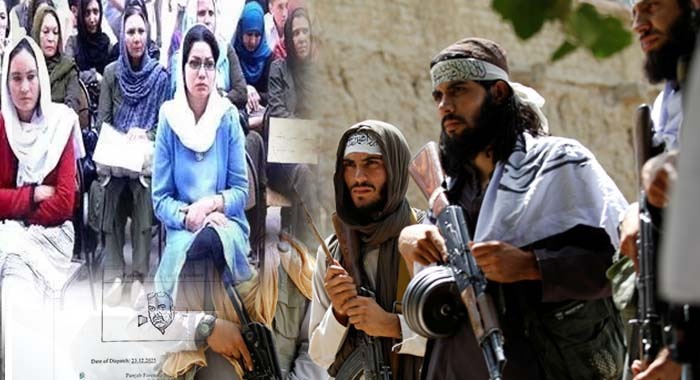
Teachers protesting in Kabul say the delays have pushed many families to the brink, particularly as job opportunities across Afghanistan continue to shrink. Several affected candidates argue that the education sector has become a casualty of indecision, despite public assurances by the Taliban that schooling and employment generation remain priorities.
Analysts warn that failure to appoint teachers will have long-term consequences, weakening an already fragile education system and undermining classroom stability across the country. They add that the situation reflects a broader pattern under Taliban rule, where announcements are made without follow-through, and governance relies heavily on rhetoric rather than institutional delivery.
The controversy has also intensified criticism of the Taliban’s opaque decision-making structure. With power concentrated in a narrow circle and limited bureaucratic autonomy, routine administrative processes have increasingly stalled, creating bottlenecks across multiple sectors.
Observers say the teachers’ appointment crisis is not an isolated case but part of a wider governance breakdown that continues to erode public confidence. As economic pressure mounts and basic state functions remain frozen, ordinary Afghans are paying the price for administrative inertia and lack of transparency.



