
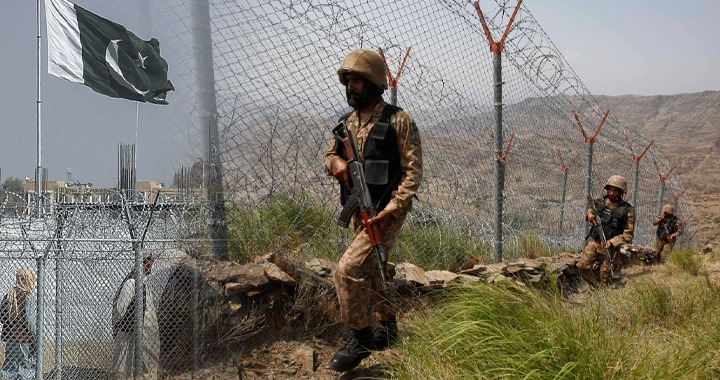
Pakistan’s border management apparatus is increasingly strained by the convergence of migration, militant infiltration, and humanitarian pressures from Afghanistan. Analysts argue that uncoordinated responses risk transforming temporary crises into structural threats.
Security assessments reveal that the porous borders of Khyber Pakhtunkhwa and Balochistan have become conduits for the movement of armed groups, weapons, and ideologically radicalized individuals. Without systematic intelligence-sharing and joint monitoring, border vulnerabilities will persist.
Regional coordination mechanisms, including cross-border deconfliction cells, are emerging as critical tools. These structures enable rapid information exchange, incident management, and counterterrorism collaboration, mitigating the risk of escalation.
Strategic Pivot
Experts highlight that border security cannot operate in isolation. A mix of technical monitoring, community engagement, and international cooperation is needed to prevent militant exploitation of migration flows and to strengthen resilience against ideological radicalization.



